In today’s ever-evolving educational landscape, the concept of personalized learning has gained significant traction.
This approach acknowledges that each student has unique needs, strengths, and interests, creating a more engaging and effective learning environment.
One of the most powerful tools educators have at their disposal to facilitate this personalization is formative assessment. By understanding and implementing formative assessments, teachers can tailor their instruction to meet the diverse needs of their students.
Formative assessment can be thought of as a continuous feedback loop that occurs during the learning process. Unlike traditional assessments, which often serve as a final measure of student understanding, formative assessments are designed to provide insights into student learning as it happens. This allows educators to make real-time adjustments to their teaching strategies, ensuring that students receive the support they need to thrive.
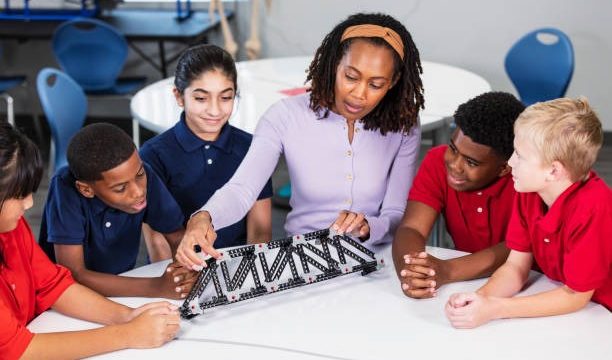
Imagine walking into a classroom where the atmosphere is vibrant, and the students are actively engaged. The teacher moves around the room, observing and listening, not just delivering information but also picking up on the nuances of student comprehension. This dynamic environment is the result of effective formative assessment practices. By simply observing how students interact with the material and each other, teachers can gather valuable feedback that informs their next steps.
Creating a dialogue between teacher and student is another essential aspect of formative assessment. This can be achieved through informal check-ins, discussions, or even quick written reflections. When students feel comfortable sharing their thoughts and struggles, it opens the door for more personalized support. This sense of connection fosters a safe space for learning, where students are encouraged to express their needs and ambitions.
A small shift toward balance is often all it takes to enhance the learning experience. For instance, if a teacher notices that a group of students is struggling with a particular concept, they might decide to pause the lesson and provide additional resources or alternative explanations. This flexibility not only helps those students catch up but also enriches the overall classroom experience. By addressing gaps in understanding as they arise, educators can prevent students from falling behind and foster a more inclusive learning environment.
Additionally, formative assessment can be a powerful tool for student self-awareness. When students engage in self-assessment or peer feedback, they develop a deeper understanding of their own learning styles and areas for improvement. This process encourages them to take ownership of their education, cultivating a sense of agency and responsibility. As students learn to identify their strengths and weaknesses, they become more adept at setting personal goals and seeking out resources to help them achieve those goals.
Incorporating technology into formative assessments can further enhance the personalization of learning. Digital tools can provide immediate feedback, allowing students to track their progress in real time. For example, online quizzes and interactive platforms can offer insights into a student’s understanding of a topic, enabling educators to adjust their teaching methods accordingly. Moreover, technology can facilitate a more collaborative learning experience, where students can work together on projects and share their insights, further enriching the educational journey.
While the benefits of formative assessment are clear, it’s essential to approach its implementation thoughtfully. Educators should be mindful of the diverse backgrounds and learning styles of their students. A one-size-fits-all approach can be counterproductive. Instead, incorporating a variety of assessment methods—such as group discussions, creative projects, or hands-on activities—can cater to different learning preferences and promote a more holistic understanding of the material.
As we navigate the complexities of personalized learning, it’s crucial to remember the importance of building relationships. Formative assessment is not just about data collection; it’s about creating a supportive community where students feel valued and understood. When educators take the time to connect with their students, they create a nurturing environment that fosters growth and resilience.
In this journey toward personalized learning, it’s also important to celebrate the small victories. Recognizing progress, no matter how minor, can boost student morale and motivation. When students see that their efforts are acknowledged, they are more likely to engage in the learning process. This positive reinforcement helps to cultivate a growth mindset, encouraging students to embrace challenges and persevere through difficulties.
As we look to the future of education, the role of formative assessment will continue to evolve. With advancements in technology and a deeper understanding of effective teaching practices, educators have the opportunity to create even more personalized and impactful learning experiences. By embracing formative assessment as a cornerstone of their teaching philosophy, they can help students unlock their full potential.
In conclusion, the journey of personalized learning is a collaborative effort that requires the commitment of both educators and students. Formative assessment serves as a vital tool in this process, enabling teachers to tailor their instruction and support each student’s unique learning path. By fostering a culture of feedback, connection, and celebration, we can create a rich educational experience that empowers students to thrive. As we continue to explore innovative approaches to teaching and learning, let us remember that at the heart of education lies the desire to inspire, nurture, and guide the next generation.