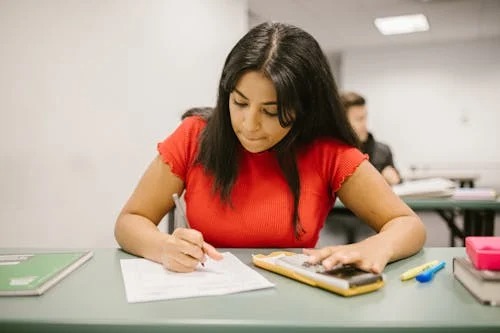
In the bustling world of education, where the pace of learning can often feel overwhelming, the practice of assessment has evolved far beyond simple grades or test scores.
Today, assessments are not merely tools for evaluating knowledge; they are powerful instruments that can guide students toward deeper understanding and personal growth.
By fostering an environment of reflection, educators can help students unlock their potential and develop a lifelong love for learning.
Creating a space for reflection begins with the understanding that assessment should be a dialogue rather than a monologue. When students engage with their assessments, they are given the opportunity to process their experiences and articulate their thoughts. This dialogue can take many forms: written reflections, peer discussions, or even one-on-one conversations with teachers. The key is to create an atmosphere where students feel safe to express their feelings about their learning journey.
As students reflect on their assessments, they are encouraged to explore not only what they have learned but also how they have learned it. This self-awareness can lead to significant insights about their strengths and areas for growth. For instance, a student who receives feedback on a writing assignment might recognize that they excel in creativity but struggle with structure. This realization can spark a desire for improvement, motivating them to seek resources or guidance to enhance their skills.
Incorporating reflection into the assessment process also empowers students to take ownership of their learning. When they are involved in evaluating their progress, they become active participants in their educational journey rather than passive recipients of information. This shift in perspective can be transformative, fostering a growth mindset that encourages resilience and perseverance.
Encouraging students to set personal goals is another way to support their reflective practices. By identifying specific areas they wish to improve, students can create a roadmap for their learning. This goal-setting process not only helps them focus on their individual needs but also instills a sense of purpose. When students see their progress toward these goals, it can be incredibly motivating, reinforcing the idea that learning is a continuous journey rather than a destination.
A gentle nudge toward balance can also be beneficial. In a world that often emphasizes competition and comparison, it’s essential to remind students that their learning journey is unique. Assessments should celebrate individual progress, highlighting personal achievements rather than pitting students against one another. By fostering a culture of collaboration and support, educators can help students feel valued for their unique contributions.
The role of feedback in this reflective process cannot be overstated. Thoughtful, constructive feedback serves as a guiding light for students, illuminating their path toward improvement. However, it is crucial that feedback is framed positively, encouraging students to view it as a tool for growth rather than a judgment of their abilities. When students receive feedback that emphasizes their potential, they are more likely to embrace challenges and view setbacks as opportunities for learning.
Incorporating peer assessments can also enrich the reflective experience. When students have the chance to evaluate each other’s work, they not only gain new perspectives but also develop critical thinking skills. This collaborative approach fosters a sense of community within the classroom, where students can learn from one another and celebrate each other’s successes. It also reinforces the idea that learning is a shared experience, where everyone has something valuable to contribute.
As students reflect on their assessments, it can be helpful to guide them in developing metacognitive skills. Encouraging them to think about their thinking can lead to greater self-regulation and improved learning strategies. For instance, after completing a project, students might be prompted to ask themselves questions like, “What strategies did I use that worked well?” or “What challenges did I encounter, and how did I overcome them?” These reflections can lead to greater awareness of their learning processes and help them make informed decisions about future approaches.
Creating a reflective culture within the classroom also involves modeling reflective practices. Educators can share their own reflections on teaching and learning, demonstrating that growth is a lifelong journey for everyone. By being open about their experiences, teachers can inspire students to embrace their own reflections with authenticity and curiosity.
As we navigate the complexities of education, it is essential to remember that assessment should serve as a bridge rather than a barrier. By using assessments as opportunities for reflection, we can create a nurturing environment that promotes self-discovery and personal growth. When students feel empowered to reflect on their learning, they are more likely to develop a sense of agency and confidence in their abilities.
In this gentle journey of reflection, the ultimate goal is to cultivate a love for learning that extends beyond the classroom. When students are encouraged to think critically about their experiences, they develop the skills necessary to navigate the world around them with curiosity and resilience.
In conclusion, the integration of assessment and reflection in education is a beautiful dance that can lead to profound growth. By fostering an environment where students feel safe to explore their thoughts and emotions, we can help them uncover their potential and inspire them to pursue lifelong learning. Together, let’s embrace this journey, supporting our students as they reflect, grow, and flourish.