Creating a nurturing environment for learning is essential in today’s classrooms, where every day presents a new opportunity for growth and discovery.
The right teaching materials can make all the difference, transforming a standard lesson into an engaging experience that resonates with students.
As educators, the goal is to foster curiosity and inspire a love for learning that lasts a lifetime.
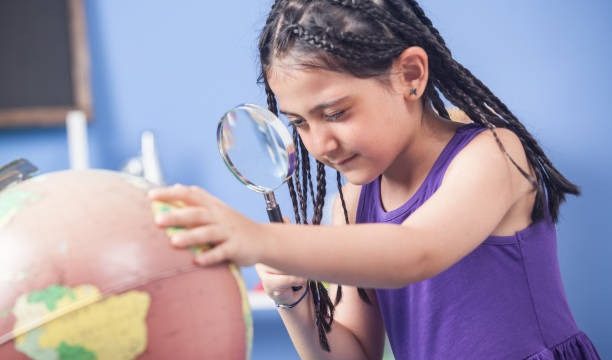
When considering teaching materials, it’s important to think beyond textbooks and worksheets. While these traditional resources have their place, incorporating diverse materials can cater to various learning styles and keep students engaged. Visual aids, interactive tools, and hands-on activities can all contribute to a vibrant classroom atmosphere. Imagine a lesson where students actively participate, explore, and collaborate, rather than passively absorbing information. This shift can create a more dynamic learning experience.
A small shift toward balance can be found in combining digital resources with tangible materials. Technology has revolutionized education, providing access to a wealth of information and interactive platforms. Online educational games, virtual field trips, and digital storytelling can enhance lessons and captivate students’ imaginations. However, it’s essential to balance screen time with hands-on activities. Incorporating physical manipulatives like building blocks or art supplies can help students connect abstract concepts to the real world, reinforcing their understanding in a meaningful way.
Another crucial aspect of effective teaching materials is their relevance to students’ lives. When materials reflect the diversity and experiences of the students, they become more relatable and engaging. This connection can be fostered through the inclusion of multicultural literature, real-world problem-solving scenarios, and projects that allow students to explore their interests and backgrounds. By integrating diverse perspectives into the curriculum, educators can create a more inclusive environment that honors each student’s unique story.
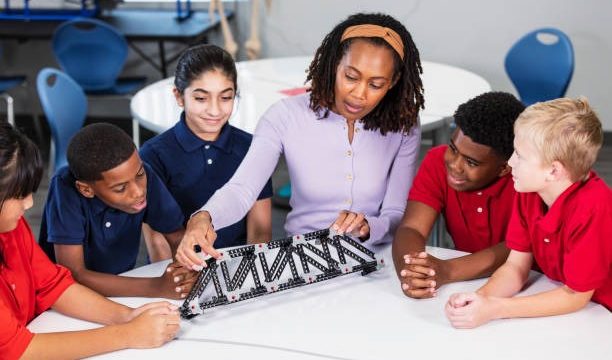
The power of collaboration should not be underestimated. Encouraging students to work together on projects not only fosters teamwork but also allows them to learn from one another. Group activities can be enhanced with materials that promote creativity and critical thinking. Providing art supplies, science kits, or even simple everyday objects can inspire students to brainstorm solutions and develop their ideas collectively. This collaborative spirit nurtures a sense of community within the classroom and helps students develop communication skills that are invaluable in both academic and personal settings.
In addition to engaging materials, creating a comfortable and inviting classroom space is equally important. The physical environment can significantly impact students’ motivation and focus. Thoughtfully arranged desks, cozy reading corners, and inspiring wall displays can make a classroom feel like a second home. Incorporating elements that reflect students’ interests—like artwork, projects, or even student-created displays—can foster a sense of ownership and pride in their learning space.
As educators, it’s essential to remain adaptable and open to new ideas. The landscape of education is constantly evolving, and being willing to explore innovative teaching materials can invigorate both teaching practices and student experiences. Attending workshops, collaborating with colleagues, and researching the latest educational trends can provide fresh insights and inspiration. This commitment to growth not only benefits students but also enriches the educator’s journey.
It can be beneficial to involve students in the selection of teaching materials. By seeking their input, educators can gain valuable insights into what resonates with their interests and learning preferences. This collaborative approach empowers students, making them active participants in their own education. When students feel valued and heard, they are more likely to engage with the materials and take ownership of their learning.
Creating a balance between structure and flexibility is key. While having a lesson plan is important, being open to spontaneous learning moments can lead to unexpected discoveries. Sometimes, a student’s question or a current event can ignite a discussion that enriches the curriculum in ways that were not initially planned. Embracing these moments can lead to deeper understanding and connection among students, as they explore topics that spark their curiosity.
Ultimately, the goal of using effective teaching materials is to create a space where students feel safe to explore, question, and grow. A nurturing environment encourages risk-taking and allows for mistakes to be seen as part of the learning process. When students know they have the support of their teachers and peers, they are more likely to engage wholeheartedly in their education.
As we reflect on the resources and strategies we use in the classroom, it’s essential to remember that education is not just about imparting knowledge; it’s about inspiring a lifelong love of learning. By thoughtfully selecting and incorporating diverse teaching materials, we can create a rich tapestry of experiences that empower students to thrive.
In the end, teaching is a journey shared by both educators and students. By nurturing curiosity, fostering collaboration, and creating a welcoming environment, we can lay the foundation for lifelong learners who are prepared to face the world with confidence and creativity. The right materials are just one piece of the puzzle, but they hold the potential to transform the classroom experience into something truly special.