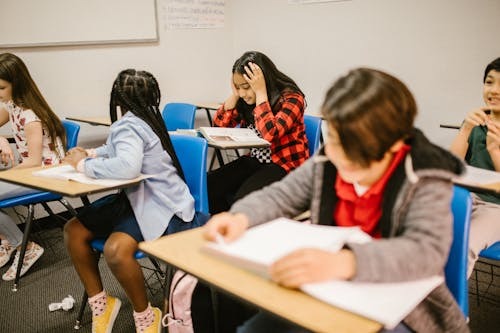
In the realm of education, the one-size-fits-all approach has gradually given way to a more nuanced understanding of how individuals learn.
Differentiated instruction is a teaching philosophy that recognizes the diverse needs of learners, helping them thrive in their unique ways.
By embracing this approach, educators can cultivate successful learners who feel valued, inspired, and empowered to reach their full potential.
At the heart of differentiated instruction lies the understanding that each student brings their own set of experiences, interests, and strengths to the classroom. This diversity is not just a challenge to be managed; it is an opportunity to create a rich and dynamic learning environment. When teachers take the time to know their students, they can tailor lessons to meet varied learning styles, ensuring that each child has a path to success.
Creating a welcoming atmosphere is one of the first steps in this journey. A classroom that feels safe and inclusive encourages students to express themselves freely. When children know they are accepted for who they are, they are more likely to engage in the learning process. This sense of belonging fosters a sense of security that allows students to take risks, ask questions, and explore new ideas without fear of judgment.
Understanding the different modalities of learning is essential for effective differentiation. Some students may excel in auditory learning, while others thrive through visual or kinesthetic experiences. By incorporating a variety of teaching methods, educators can reach a wider audience. For instance, a lesson on ecosystems could involve watching a documentary, creating a visual project, and participating in a hands-on activity like building a mini-garden. This multifaceted approach not only caters to different learning preferences but also deepens the overall understanding of the material.
Another vital aspect of differentiated instruction is recognizing that students progress at different rates. This awareness encourages teachers to provide varied levels of challenge within the same lesson. By offering tasks that are appropriately challenging, educators can keep all students engaged, regardless of their starting point. For instance, while some students may work on basic comprehension questions about a text, others could be tasked with analyzing themes or making connections to real-world scenarios. This flexibility allows students to stretch their abilities without feeling overwhelmed.
Assessments also play a crucial role in differentiated instruction. Rather than relying solely on traditional tests, educators can employ a range of assessment methods that reflect the diverse talents of their students. Portfolios, presentations, and group projects can provide a more holistic view of a student’s understanding and skills. By offering choices in how students demonstrate their knowledge, teachers can empower them to take ownership of their learning journey.
Collaboration among students is another powerful tool in differentiated instruction. Group work not only allows learners to interact and share ideas but also fosters a sense of community. When students collaborate, they can learn from one another’s strengths. A student who may struggle with writing might excel in verbal communication, while another may have a knack for visual design. By working together, students can complement each other’s abilities, creating a rich tapestry of learning experiences.
It’s important to remember that differentiation doesn’t mean creating entirely separate lessons for each student. Instead, it’s about adjusting the level of support and challenge within a shared framework. This approach helps maintain a cohesive classroom environment while still addressing individual needs. By using flexible grouping strategies, teachers can mix and match students for various activities, promoting both independence and teamwork.
As we consider the broader implications of differentiated instruction, it’s essential to recognize the impact on students’ self-esteem and motivation. When learners see that their unique contributions are valued, they develop a stronger sense of self-worth. This confidence can lead to a love of learning that extends beyond the classroom. Successful learners are often those who feel seen and heard—those who are encouraged to explore their passions and interests.
Incorporating technology into differentiated instruction can also enhance the learning experience. Digital tools offer a wealth of resources and interactive platforms that cater to various learning styles. For example, educational apps can provide personalized practice in subjects like math or language arts, allowing students to progress at their own pace. Furthermore, online forums and collaborative platforms can facilitate discussions and group projects, even in remote learning environments.
As we navigate the complexities of education in the 21st century, it’s crucial to remain adaptable. Differentiated instruction is not a rigid framework but a responsive approach that evolves with the needs of students. Educators who are open to change and willing to experiment with new strategies will likely find greater success in engaging their learners.
Ultimately, the goal of differentiated instruction is to cultivate successful learners who are not only knowledgeable but also resilient and adaptable. By honoring the unique qualities of each student and providing them with the tools and support they need to thrive, we can help shape a generation of learners who are prepared to face the challenges of the future.
In this journey, the role of educators is not just to impart knowledge but to inspire curiosity and a lifelong love of learning. By fostering an environment where every student feels valued and empowered, we can create a brighter future for all. Embracing differentiated instruction is a step toward nurturing successful learners, ensuring that each individual has a voice in their educational experience. As we continue to explore the myriad ways to support our students, let us remember that every small shift toward understanding and acceptance can lead to significant transformations in their lives.