In our fast-paced world, the ability to think critically is more essential than ever.
As students navigate through their academic journeys, the cultivation of critical thinking skills can significantly influence their personal and professional futures.
However, fostering these skills often requires more than just traditional assessments.
By reimagining how we evaluate students, we can create a nurturing environment that encourages deep thought and reflective learning.
Creating a supportive atmosphere for critical thinking begins with understanding what it truly means. Critical thinking is not merely about getting the right answers; it’s about engaging with ideas, questioning assumptions, and exploring different perspectives. It’s a journey of inquiry that invites students to become active participants in their learning process. This shift in focus from rote memorization to exploration can make a profound difference in students’ educational experiences.
One way to encourage this shift is through formative assessments. Unlike traditional assessments that often emphasize grades and rankings, formative assessments are designed to provide ongoing feedback. This feedback helps students understand their strengths and areas for improvement, fostering a sense of ownership over their learning. When students receive constructive feedback, they are more likely to engage in self-reflection, which is a key component of critical thinking.
Moreover, incorporating open-ended questions into assessments can stimulate critical thinking. Rather than asking students to choose a correct answer from a list, educators can prompt them to explain their reasoning or explore alternative solutions. This approach encourages students to articulate their thought processes and consider multiple viewpoints. It also provides teachers with valuable insights into their students’ understanding, allowing for more tailored instruction.
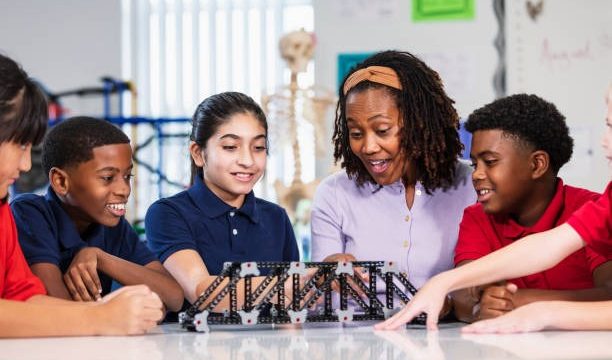
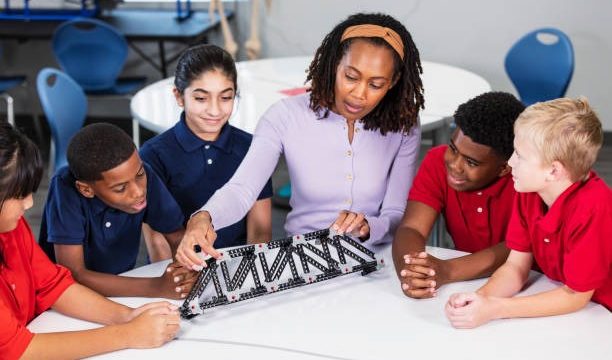
Encouraging collaboration among students can also enhance critical thinking skills. Group assessments or projects can create opportunities for students to discuss ideas, challenge each other’s viewpoints, and collectively navigate complex problems. This collaborative environment not only fosters critical thinking but also builds essential social skills such as communication and teamwork. When students learn to value diverse perspectives, they cultivate a mindset that enhances their learning and prepares them for future challenges.
Another gentle yet effective approach is to integrate real-world scenarios into assessments. By presenting students with authentic problems or case studies, educators can help them see the relevance of their learning. This connection between classroom concepts and real-life applications encourages students to think critically about how they can apply their knowledge in various contexts. It transforms learning from an abstract exercise into a meaningful exploration of the world around them.
Creating a safe space for vulnerability is also vital in promoting critical thinking. Students should feel comfortable expressing their thoughts without fear of judgment. When educators foster a culture of respect and openness, students are more likely to share their ideas and take intellectual risks. This nurturing environment allows for deeper discussions and encourages students to delve into complex topics, ultimately enhancing their critical thinking abilities.
As we consider the role of technology in education, it’s essential to recognize its potential to facilitate critical thinking. Digital tools can provide students with access to a wealth of information and diverse perspectives. Educators can guide students in using these resources thoughtfully, teaching them to evaluate sources, discern biases, and synthesize information. By harnessing technology in this way, we can empower students to become informed and critical consumers of information.
Additionally, incorporating reflective practices into assessments can further deepen students’ critical thinking skills. Encouraging students to keep journals or portfolios allows them to reflect on their learning journey over time. This practice not only helps them track their progress but also encourages them to think critically about their experiences. By reflecting on what they have learned, students can identify patterns, make connections, and develop a more profound understanding of the material.
As we navigate the complexities of education, it’s crucial to remain mindful of the diverse needs of students. Differentiated assessments can cater to various learning styles, allowing each student to demonstrate their understanding in a way that resonates with them. Whether through creative projects, presentations, or written reflections, providing options can empower students to engage with the material more meaningfully. This flexibility fosters a sense of agency and encourages students to take ownership of their learning journey.
Ultimately, the goal of student assessment should be to nurture a love for learning and critical inquiry. By prioritizing assessments that encourage exploration, collaboration, and reflection, we can create an educational landscape that prepares students for the challenges of the future. When students learn to think critically, they become not only better learners but also more engaged citizens who are capable of navigating an ever-changing world.
As we embrace this holistic approach to assessment, we must remember the importance of patience and compassion in the learning process. Just as critical thinking is a skill that develops over time, so too does the journey of education. By fostering an environment that values curiosity, open-mindedness, and collaboration, we can inspire the next generation of thinkers, innovators, and leaders.
As we look ahead, let us commit to reshaping the way we assess students. By integrating practices that encourage critical thinking, we not only enhance academic performance but also nurture thoughtful individuals who are equipped to contribute meaningfully to society. In doing so, we can create a brighter future—one where students are not just learners, but also empowered thinkers ready to tackle the complexities of the world around them.