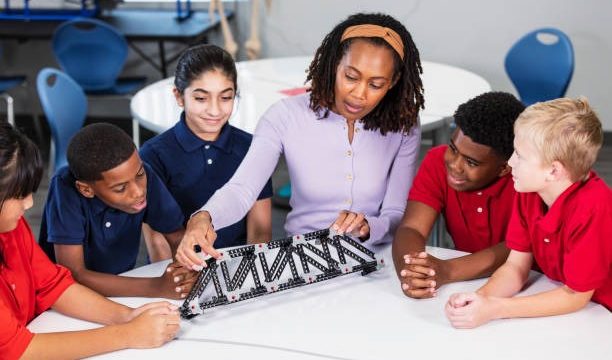
Creating Better Outcomes Through Team Cooperation
In an increasingly interconnected world, the importance of teamwork cannot be overstated.
Whether in the workplace, community settings, or even within families, cooperation often stands as the cornerstone of success.
When individuals come together, pooling their strengths and perspectives, the outcomes can be transformative. This article explores how fostering a spirit of team cooperation can lead to better results, enhancing not only productivity but also the overall well-being of everyone involved.
The essence of teamwork lies in the understanding that collaboration amplifies individual contributions. Each member brings unique skills and insights, creating a rich tapestry of ideas and solutions. This diversity is not just beneficial; it’s essential. When team members feel valued and encouraged to share their thoughts, a culture of trust emerges. Such an environment nurtures creativity and innovation, allowing the team to tackle challenges from multiple angles.
A gentle shift in mindset can have profound effects. When individuals view their colleagues not as competitors but as partners, the dynamic changes significantly. This perspective encourages open communication, where ideas flow freely and feedback is given constructively. Often, it’s the simple act of listening that fosters deeper connections within a team. When people feel heard, they are more likely to engage wholeheartedly, contributing to a sense of shared purpose.
Building a cooperative team also involves recognizing the importance of emotional intelligence. Understanding and managing emotions—both one’s own and those of others—can dramatically improve interactions. Teams that practice empathy create an atmosphere where everyone feels safe to express their thoughts and feelings. This emotional safety is crucial, especially in challenging situations where stress levels may rise. By prioritizing emotional awareness, teams can navigate conflicts more effectively, ensuring that differences are resolved in a respectful and constructive manner.
As teams evolve, they often face moments of tension or disagreement. These instances, while uncomfortable, can serve as valuable opportunities for growth. Embracing conflict as a natural part of the team journey allows members to address issues head-on rather than letting them fester. By encouraging open dialogue and active problem-solving, teams can turn potential roadblocks into stepping stones toward stronger relationships and enhanced collaboration.
A harmonious team environment can also lead to increased motivation. When individuals see their efforts contributing to a collective goal, it fosters a sense of belonging. This connection can be particularly powerful in workplace settings, where employees who feel part of a cohesive team are more likely to be engaged and invested in their work. Celebrating small victories together—no matter how minor—can further reinforce this sense of unity. Acknowledging achievements cultivates a positive atmosphere, encouraging everyone to strive for excellence while supporting one another along the way.
Creating better outcomes through team cooperation doesn’t only apply to professional settings; it extends into our personal lives as well. In families, for example, cooperation is essential for maintaining harmony and ensuring that everyone’s needs are met. When family members work together toward common goals—be it planning a vacation, organizing household chores, or supporting one another through challenging times—relationships flourish. The shared experiences and accomplishments help to strengthen bonds, creating a nurturing environment where love and understanding can thrive.
In community settings, cooperation can lead to remarkable changes. When neighbors come together to address local issues, whether it’s organizing a clean-up or advocating for shared resources, the impact can ripple through the entire community. Teamwork fosters a sense of belonging, and when individuals feel connected to one another, they are more likely to contribute positively to their surroundings. This collective effort nurtures a spirit of solidarity, making communities more resilient and vibrant.
As we explore the nuances of team cooperation, it’s important to acknowledge that not every collaboration will be perfect. There will be challenges and setbacks along the way. However, viewing these moments as learning opportunities can help shift the narrative. Reflecting on what went well and what could improve fosters a growth mindset. Teams that adapt and evolve in response to their experiences are often the ones that achieve lasting success.
In our fast-paced, ever-changing world, the ability to cooperate and collaborate has never been more critical. It’s easy to fall into the trap of individualism, where personal achievement takes precedence over collective success. Yet, when we consciously choose to prioritize teamwork, we open ourselves up to a wealth of possibilities. The beauty of cooperation lies in its ability to unite diverse perspectives, ultimately leading to richer outcomes.
As we navigate our personal and professional lives, let’s embrace the power of cooperation. By fostering an environment of trust, empathy, and open communication, we can unlock the full potential of our teams. Whether it’s in the workplace, within our families, or in our communities, the benefits of collaboration are profound. Together, we can create better outcomes, enriching our lives and the lives of those around us.
In conclusion, the journey toward greater cooperation is ongoing. It requires patience, understanding, and a commitment to nurturing relationships. By recognizing the value of teamwork and embracing the strengths of others, we can create a brighter future for ourselves and our communities. Let’s celebrate the spirit of cooperation, for it is through our collective efforts that we can truly thrive.