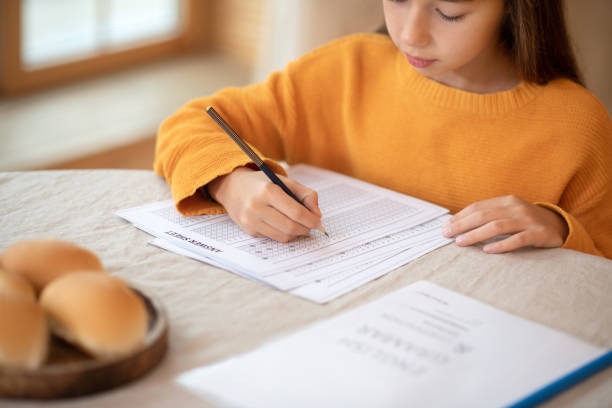
In the journey of education, whether in a classroom or personal learning environment, the final evaluation often serves as a significant milestone.
It is a moment of reflection, not just for the learner, but for educators and parents alike.
This process can feel daunting, but when approached with the right mindset, it becomes a valuable opportunity to support learning goals and foster growth.
As we navigate through the various stages of learning, it’s essential to remember that evaluations are not merely a means to an end. They are a chance to assess progress and understand how well the educational experiences align with individual learning goals. Instead of viewing final evaluations as a test of knowledge, we can see them as a celebration of the journey taken, the skills developed, and the lessons learned along the way.
Creating a supportive environment for learning goals begins with setting clear and achievable objectives. When learners understand what they are working towards, they can engage more fully in the process. These goals should not be rigid; rather, they should allow for flexibility and growth. As learners progress, their understanding may shift, and their goals may evolve. This adaptability is crucial in helping them remain motivated and focused.
To nurture this environment, it is beneficial to encourage open communication. Conversations about expectations, challenges, and achievements can help demystify the evaluation process. By discussing what the final evaluation will entail, learners can approach it with a sense of preparedness rather than anxiety. This dialogue can also help in identifying areas where additional support may be needed, allowing for timely interventions that facilitate deeper understanding.
The final evaluation itself should be approached as a collaborative experience. Involving learners in the evaluation process can empower them, making them active participants rather than passive recipients. When they have a say in how their progress is measured, they are more likely to take ownership of their learning. This could mean allowing them to choose the format of their evaluation or encouraging them to reflect on their own progress through self-assessment. Such practices can enhance their confidence and critical thinking skills.
As we consider the role of feedback in the evaluation process, it’s important to emphasize its constructive nature. Feedback should be viewed as a tool for growth, rather than a judgment of performance. When learners receive feedback that is specific, actionable, and encouraging, they are more likely to internalize it and use it to inform their future learning. This creates a positive feedback loop, where evaluations become a stepping stone toward further development rather than a source of stress.
A gentle shift toward balance can also play a vital role in supporting learning goals. It’s easy to become so focused on outcomes that we overlook the importance of the learning experience itself. Encouraging learners to embrace the process, with its ups and downs, fosters resilience and adaptability. This balanced perspective helps them understand that setbacks are part of the journey and can lead to valuable insights.
The emotional aspect of learning cannot be overlooked. Final evaluations can elicit a range of feelings, from excitement to anxiety. Acknowledging these emotions is crucial. Creating a safe space where learners can express their feelings about the evaluation can help them process their experiences. This emotional support can enhance their overall learning experience and promote a healthier attitude toward future evaluations.
As we reflect on the broader implications of final evaluations, it’s essential to consider their role in shaping lifelong learners. The skills and habits developed during the evaluation process can influence how individuals approach challenges beyond the classroom. By fostering a mindset that values growth, curiosity, and resilience, we prepare learners to navigate the complexities of life with confidence and grace.
Supporting learning goals with final evaluations is not just about assessing knowledge; it’s about cultivating an enriching learning environment. It’s about celebrating progress, embracing the journey, and recognizing that each evaluation is an opportunity for growth. By adopting a compassionate and holistic approach, we can transform the evaluation process into a meaningful experience that resonates far beyond the classroom.
In this evolving landscape of education, where traditional methods are constantly being redefined, the importance of supporting learning goals with a thoughtful final evaluation cannot be overstated. As educators, parents, and learners, we have the power to shape these experiences into something positive and enriching. By nurturing a supportive atmosphere, fostering open communication, and encouraging a balanced perspective, we can help learners thrive and embrace their educational journeys with enthusiasm and confidence.
As we move forward, let’s keep in mind that every learner is unique, with their own goals, challenges, and aspirations. By honoring these individual paths and creating a culture of support, we can ensure that final evaluations serve not only as a measure of achievement but also as a celebration of growth, resilience, and the joy of learning. Together, we can cultivate an educational experience that is fulfilling, empowering, and ultimately transformative.