In today’s diverse classrooms, the one-size-fits-all approach to teaching is becoming a thing of the past.
Educators are increasingly recognizing that students come with unique backgrounds, varying interests, and distinct learning styles.
This realization has paved the way for differentiated instruction, a teaching philosophy designed to meet the individual needs of every student.
By embracing this approach, educators can create a nurturing environment that fosters meaningful learning experiences and strengthens overall outcomes.
A gentle shift in perspective
Differentiated instruction is not merely a set of strategies; it’s a mindset that encourages teachers to view each student as an individual with unique strengths and challenges. This perspective shift can be subtle but profoundly impactful. When educators commit to understanding their students, they can tailor their teaching methods to better suit individual needs. This approach fosters a sense of belonging and respect in the classroom, allowing students to feel valued for who they are.
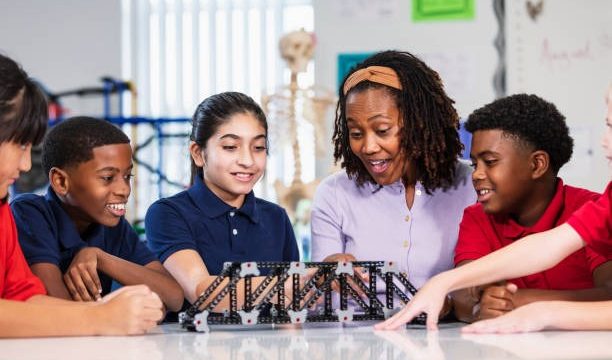
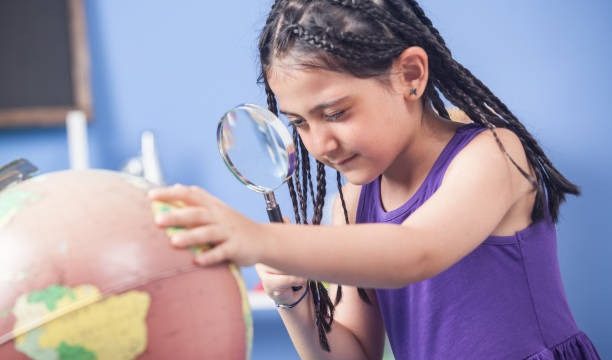
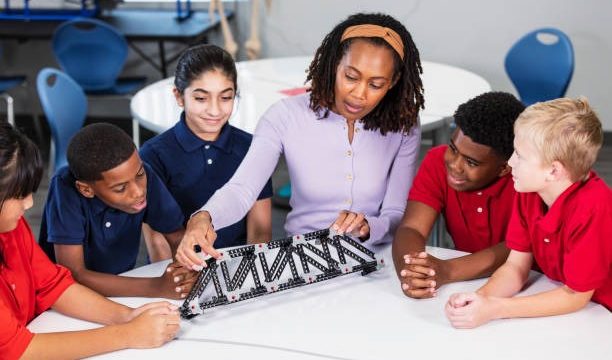
At its core, differentiated instruction recognizes that students learn in different ways. Some may thrive in a traditional lecture format, while others might grasp concepts better through hands-on activities or collaborative projects. By offering diverse learning opportunities, educators can engage students more effectively and promote a deeper understanding of the material.
Creating a rich learning environment
A classroom infused with differentiated instruction is often characterized by variety. Teachers may incorporate a blend of visual aids, interactive discussions, and practical applications to cater to different learning styles. For instance, a science lesson might include visual presentations, experiments, and group discussions, allowing students to explore the topic from multiple angles. This dynamic approach not only keeps students engaged but also encourages them to take ownership of their learning.
Furthermore, creating a rich learning environment involves recognizing and valuing the diverse backgrounds and experiences students bring to the classroom. By incorporating culturally relevant materials and examples, educators can help students connect their own lives to the curriculum. This practice fosters a sense of relevance and personal investment, ultimately leading to a more profound understanding of the subject matter.
Nurturing the whole child
Differentiated instruction goes beyond academic achievement; it encompasses the holistic development of each student. Educators often find that addressing social and emotional needs is just as important as academic ones. By fostering a supportive classroom culture, teachers can help students feel safe to express themselves and take risks in their learning. This nurturing environment lays the foundation for resilience and encourages a growth mindset.
When students feel emotionally supported, they are more likely to engage with challenging material and persevere through difficulties. Teachers can incorporate social-emotional learning activities, such as reflection exercises or group discussions, to help students develop essential skills like empathy, self-awareness, and effective communication. These skills not only contribute to academic success but also prepare students for life beyond the classroom.
Personalizing learning experiences
At the heart of differentiated instruction is the idea of personalization. By understanding each student’s interests, strengths, and areas for growth, educators can create tailored learning experiences that resonate with them. This might involve offering choices in assignments, allowing students to pursue topics they are passionate about, or providing varying levels of support based on individual needs.
Personalization can also extend to assessment methods. Rather than relying solely on traditional tests, educators can offer a range of assessment options, such as projects, presentations, or creative expressions. This flexibility allows students to showcase their understanding in ways that align with their strengths, fostering a sense of accomplishment and motivation.
Building a collaborative spirit
Differentiated instruction thrives in a collaborative classroom environment. When students work together, they not only learn from one another but also develop essential teamwork skills. Group work can be structured to allow for diverse contributions, ensuring that each student has an opportunity to shine. By promoting collaboration, educators can cultivate a community of learners who support and uplift one another.
Additionally, involving students in the learning process can enhance their engagement and investment. Educators can encourage students to set personal learning goals, reflect on their progress, and provide feedback on their experiences. This collaborative approach empowers students to take an active role in their education, fostering a sense of agency and responsibility.
Embracing flexibility and adaptability
One of the hallmarks of differentiated instruction is its inherent flexibility. As educators observe how students respond to various teaching methods, they can adapt their approaches to better meet evolving needs. This adaptability is crucial, as it allows teachers to pivot and refine their strategies based on real-time feedback and student performance.
Incorporating technology can further enhance this flexibility. Digital tools can offer personalized learning experiences, allowing students to progress at their own pace. Online resources, interactive platforms, and educational apps provide opportunities for self-directed learning and exploration. This integration of technology not only enriches the learning experience but also prepares students for a tech-driven world.
Cultivating a lifelong love of learning
Ultimately, the goal of differentiated instruction is to cultivate a lifelong love of learning. By recognizing and honoring the individuality of each student, educators can create an environment where curiosity thrives. When students feel seen, heard, and valued, they are more likely to embrace challenges and pursue knowledge with enthusiasm.
As we navigate an ever-changing world, the importance of fostering adaptable, curious learners cannot be overstated. Differentiated instruction serves as a guiding philosophy that empowers educators to create inclusive, engaging classrooms where every student can flourish. By embracing this approach, we can nurture not only academic success but also a genuine passion for learning that lasts a lifetime.
In conclusion, differentiated instruction is a powerful tool that strengthens learning outcomes by valuing the uniqueness of each student. Through personalization, collaboration, and a nurturing environment, educators can create rich learning experiences that resonate with diverse learners. As we move forward in education, let us continue to prioritize the individual needs of students, fostering a community of lifelong learners who are equipped to thrive in an ever-evolving world.