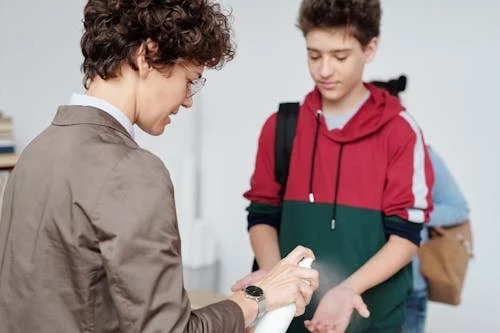
In today’s fast-paced world, the educational landscape is evolving, and student assessment approaches are shifting to reflect this change.
Traditional methods of evaluation, often focused solely on rote memorization and standardized tests, are gradually giving way to more holistic strategies.
These new approaches prioritize real-world skills, preparing students not just for exams, but for life.
As educators and parents, understanding these assessment methods can be instrumental in supporting our children’s growth. Let’s explore how these approaches can open doors to a more enriching learning experience.
A gentle transition toward real-world application
When we think about assessment, we often picture a classroom filled with desks and the ticking clock counting down to the end of an exam. However, this picture is beginning to change. Educators are increasingly recognizing that learning doesn’t happen in isolation. Real-world application of knowledge is crucial for students to thrive in their future careers and personal lives.
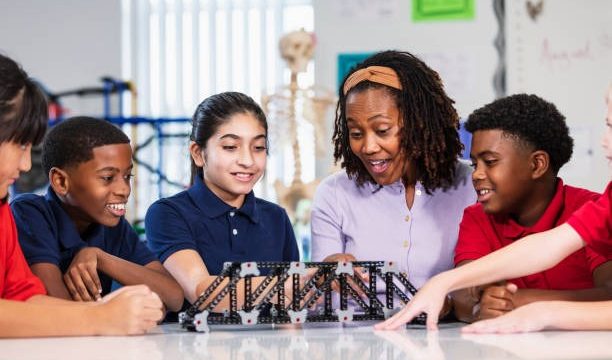
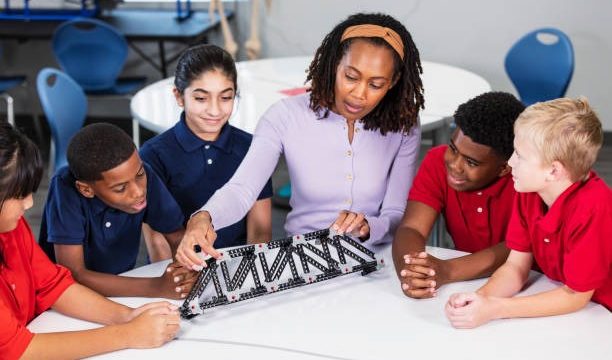
Project-based learning is a prime example of this shift. Instead of answering questions in a textbook, students engage in projects that require critical thinking, collaboration, and creativity. For instance, a group of students might work together to design a community garden, integrating lessons from science, math, and social studies. This kind of assessment not only measures their understanding of the subject matter but also encourages teamwork and problem-solving skills.
The power of collaboration
Collaboration is a vital skill in today’s workplace, and incorporating it into assessment strategies can significantly benefit students. Assessing students through group projects or peer evaluations allows them to learn how to communicate effectively, negotiate responsibilities, and appreciate diverse perspectives. These experiences mirror real-life scenarios where teamwork is essential, preparing students for the collaborative environments they will encounter in their careers.
Moreover, fostering a culture of collaboration in the classroom can enhance students’ social-emotional skills. As they navigate group dynamics, they learn empathy, resilience, and conflict resolution—skills that are just as important as academic knowledge. By assessing students on their ability to work well with others, educators create a more inclusive and supportive learning environment.
Cultivating critical thinking and creativity
Another essential aspect of modern assessment approaches is the emphasis on critical thinking and creativity. In a world where information is readily available, the ability to analyze, synthesize, and apply knowledge is more valuable than ever. Educators are now focusing on assessments that challenge students to think deeply and creatively.
Open-ended questions, case studies, and simulations are a few ways to encourage students to think critically. For instance, a history lesson might involve analyzing different perspectives on a significant event and debating their implications. This not only tests their knowledge but also encourages them to view issues from multiple angles, fostering a well-rounded understanding of complex topics.
Creativity is equally important in developing real-world skills. Assessments that allow students to express their ideas through various mediums—whether it’s art, writing, or technology—can ignite their passion for learning. When students feel free to explore their creativity, they are more likely to engage deeply with the material and retain what they have learned.
A focus on personal growth
While traditional assessments often center around grades and rankings, modern approaches are increasingly focusing on individual growth. This shift recognizes that every student has unique strengths and challenges, and assessment should reflect their personal journey.
Portfolios are an excellent example of how assessment can embrace personal growth. By compiling a collection of their work over time, students can showcase their progress, reflect on their learning experiences, and set goals for the future. This method not only highlights their achievements but also encourages self-reflection and a growth mindset.
In addition, formative assessments—ongoing evaluations that provide feedback during the learning process—allow educators to support students in real-time. Rather than waiting until the end of a semester to evaluate performance, teachers can identify areas where students may need additional help and adjust their teaching strategies accordingly. This responsive approach fosters a supportive learning environment where students feel valued and understood.
Connecting learning to life beyond school
One of the most exciting aspects of modern assessment approaches is their ability to connect learning to the real world. When students see how their education relates to everyday life, they are more likely to engage and invest in their learning.
Service-learning projects, for instance, offer students the opportunity to apply their skills in meaningful ways while giving back to their communities. By participating in initiatives that address local issues, students not only gain practical experience but also develop a sense of responsibility and civic engagement. This connection to the community can inspire a lifelong commitment to learning and growth.
As educators and parents, we play a crucial role in nurturing this connection. Encouraging students to explore their interests and passions, whether through internships, volunteer work, or extracurricular activities, can provide invaluable experiences that enhance their education.
Embracing the journey
Ultimately, the goal of any assessment approach should be to empower students on their educational journey. By embracing methods that focus on real-world skills, we can help them develop the competencies they need to thrive in an ever-changing world.
As we move forward, it’s important to remember that assessment is not just about measuring knowledge; it’s about fostering growth, creativity, and collaboration. By supporting our students in this journey, we can help them build a foundation for lifelong learning and success.
In this evolving educational landscape, every step toward a more holistic assessment approach is a step toward a brighter future for our students. Let us embrace this opportunity to redefine success and nurture the skills that will empower the next generation.