Supporting Lifelong Learning Through Student Assessment
In today’s fast-paced world, where change is the only constant, the concept of lifelong learning has become more important than ever.
It’s not just about education confined to the walls of a classroom; it’s a commitment to continuous growth and development throughout one’s life.
Central to this journey is the role of student assessment, which can act as a guiding star, illuminating pathways to knowledge and self-improvement.
Assessment plays a crucial role in the educational landscape. It serves not only as a tool for measuring knowledge but also as a means of fostering a culture of learning. When approached thoughtfully, assessments can empower students to take charge of their educational journey and encourage a mindset geared toward lifelong learning.
Creating a nurturing environment for assessments is essential. Instead of viewing tests solely as a means of evaluation, we can shift our perspective to see them as opportunities for growth. This small shift can make a significant difference in how students perceive their abilities and potential. When assessments are framed as stepping stones rather than stumbling blocks, they can inspire confidence and resilience.
One of the most effective ways to support lifelong learning through assessment is by making it more personalized. Each student is unique, with different strengths, weaknesses, and learning styles. Tailoring assessments to meet these individual needs can foster a deeper understanding of material and encourage students to engage with their learning in a meaningful way. This approach not only enhances knowledge retention but also instills a sense of ownership over one’s education.
Feedback is another crucial component of the assessment process. Thoughtful, constructive feedback can serve as a powerful motivator, guiding students toward improvement while reinforcing their strengths. When feedback is presented in a supportive manner, it can transform the way students view their efforts, helping them to see challenges as opportunities for growth rather than as indicators of failure. This supportive dialogue can cultivate a growth mindset, encouraging students to embrace challenges and persist in the face of setbacks.
Assessment doesn’t have to be limited to traditional methods like tests and quizzes. In fact, incorporating a variety of assessment forms can enrich the learning experience. Projects, presentations, and peer evaluations can provide students with alternative avenues to demonstrate their understanding. This diversity not only caters to different learning styles but also helps students develop a range of skills that are essential in today’s world, such as collaboration and critical thinking.
As we consider the role of technology in education, it’s essential to recognize its potential in enhancing assessments. Digital tools can facilitate more interactive and engaging assessment experiences. Online quizzes, simulations, and gamified assessments can make learning fun and dynamic, encouraging students to participate actively. Moreover, technology can provide instant feedback, allowing students to reflect on their performance in real-time and adjust their learning strategies accordingly.
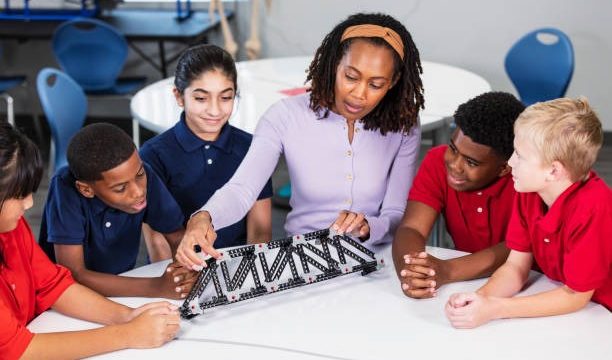
Creating a supportive community around assessments can further bolster the learning experience. Encouraging collaboration among students fosters a sense of belonging and shared purpose. When students work together to prepare for assessments or engage in discussions about their learning, they not only deepen their understanding but also build valuable social skills. This sense of community can be especially comforting during challenging times, reminding students that they are not alone in their educational journeys.
It’s also important to recognize that assessment should not be an isolated event. Instead, it should be woven into the fabric of the learning experience. Regular check-ins, self-assessments, and reflection exercises can help students develop metacognitive skills, allowing them to monitor their own progress and adapt their learning strategies as needed. This ongoing engagement with their learning can instill a sense of agency and encourage a proactive approach to education.
As we navigate the complexities of modern education, we must also consider the emotional well-being of students. Stress and anxiety surrounding assessments can significantly impact their performance and overall attitude toward learning. By fostering a calm and supportive atmosphere, educators can help alleviate some of this pressure. Encouraging mindfulness practices and emphasizing the importance of balance can contribute to a healthier approach to learning and assessment.
In addition to supporting students, it’s vital to involve parents and guardians in the assessment process. When families are engaged and informed, they can provide invaluable support at home, reinforcing the importance of lifelong learning. Open communication between educators and families can create a united front, ensuring that students receive encouragement and understanding from all sides.
Ultimately, the goal of assessment should extend beyond grades and scores. It should aim to nurture curious, resilient, and self-aware learners who are equipped to navigate the complexities of life. By embracing a holistic approach to assessment, we can create a more enriching educational experience that fosters lifelong learning.
In conclusion, supporting lifelong learning through student assessment is a multifaceted endeavor that requires mindfulness, adaptability, and compassion. By viewing assessments as opportunities for growth, personalizing learning experiences, providing constructive feedback, and fostering a supportive community, we can empower students to embrace their educational journeys. As we continue to evolve and adapt in this ever-changing world, let us remember that the pursuit of knowledge is a lifelong adventure, one that can be made more fulfilling through thoughtful and compassionate assessment practices. Together, we can create an environment where learning flourishes, and students are inspired to explore, discover, and grow long after they leave the classroom.