In today’s ever-evolving educational landscape, flexibility is not just a luxury—it’s a necessity.
Teachers are often faced with diverse classrooms, each student bringing their unique backgrounds, learning styles, and needs.
The ability to adapt lessons on the fly can make a significant difference in student engagement and understanding.
This is where thoughtfully selected teaching materials come into play. They can serve as a bridge to connect various teaching methods and learning preferences while allowing for a dynamic classroom environment.
A small shift toward balance
When considering teaching materials, it’s essential to embrace a balanced approach. This means integrating resources that cater to different learning styles, such as visual, auditory, and kinesthetic learners. For instance, incorporating visuals like charts, diagrams, or videos can enhance comprehension for students who thrive on visual stimuli. Meanwhile, auditory learners might benefit from podcasts or audiobooks that can be easily integrated into lessons. Offering a blend of materials not only enriches the learning experience but also allows for smooth transitions between different modes of instruction.
Flexibility can also be achieved through the use of digital resources. With the rise of technology in education, online platforms provide a wealth of materials that can be accessed anytime, anywhere. This accessibility allows teachers to adapt their lessons to better fit the moment, whether that means diving deeper into a topic that piques student interest or shifting gears when a particular concept proves challenging. Interactive online quizzes or educational games can serve as effective tools to reinforce learning in a way that feels less like traditional study and more like play.
Creating an inclusive environment
An inclusive classroom thrives on the diversity of its students. Teaching materials that reflect various cultures, perspectives, and experiences can create a more welcoming atmosphere. Texts that feature characters from different backgrounds or historical accounts that highlight underrepresented voices offer students a chance to see themselves in what they are learning. This not only fosters connection but also encourages empathy and understanding among peers.
Moreover, adapting existing materials to fit the needs of all learners is a powerful strategy. For example, modifying reading materials to include simpler language or providing summaries can help students who may struggle with literacy. Offering choices in how students demonstrate their understanding—such as through presentations, art projects, or written assignments—allows for personal expression and can lead to deeper engagement with the content.
The role of collaboration
Collaboration is another cornerstone of a flexible teaching approach. Encouraging students to work together on projects or group discussions can create a rich learning environment. When students collaborate, they not only learn from each other but also develop critical social skills. Teaching materials that promote teamwork, such as group activities or collaborative online platforms, can facilitate this process.
Additionally, involving families in the learning process can extend the classroom’s flexibility into the home. Providing families with resources or suggestions on how to support their child’s learning can create a partnership that enhances student success. Materials that are easy to understand and engaging can empower parents to take an active role in their child’s education, creating a supportive network that benefits everyone involved.
Nurturing creativity and curiosity
Flexibility in teaching also means allowing room for creativity and curiosity. Teaching materials that inspire exploration can ignite a child’s passion for learning. This could be as simple as providing access to a variety of books on different subjects or allowing students to choose their research topics. When students feel a sense of ownership over their learning, they are more likely to engage deeply with the material.
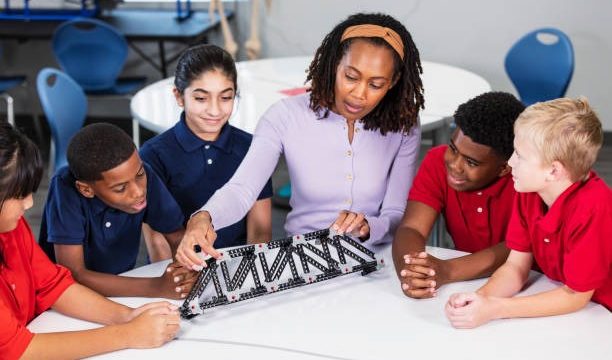
Incorporating hands-on activities can also foster a love for learning. Materials that allow for experimentation, such as science kits or art supplies, can encourage students to think critically and explore new ideas. Such activities not only make learning enjoyable but also reinforce key concepts in a memorable way.
Reflecting on progress
As educators, it’s vital to create a space where reflection is part of the learning process. Teaching materials that include self-assessment tools or reflection prompts can help students articulate their thoughts and feelings about what they’ve learned. This practice not only aids in retention but also encourages a growth mindset, where students learn to view challenges as opportunities for growth.
Incorporating regular check-ins or feedback loops into the classroom routine can also enhance flexibility. These moments allow teachers to gauge understanding and adjust lessons accordingly. By remaining attuned to the shifting dynamics of the classroom, educators can create a responsive environment that meets students where they are.
The heart of teaching
At its core, teaching is about connection and understanding. The materials we choose play a significant role in fostering these connections. By selecting resources that support flexibility, inclusivity, and creativity, we create a nurturing environment where students can thrive.
Ultimately, teaching materials should not be seen as mere tools, but rather as catalysts for inspiration and growth. Embracing a diverse array of resources allows educators to craft lessons that resonate with their students and adapt as needed. In this way, teaching becomes a beautiful dance—fluid, responsive, and deeply rewarding. As we continue to navigate the complexities of education, let us prioritize materials that not only inform but also inspire, creating a lifelong love of learning in every student.