In the ever-evolving landscape of education, the way we assess student performance is undergoing a gentle transformation.
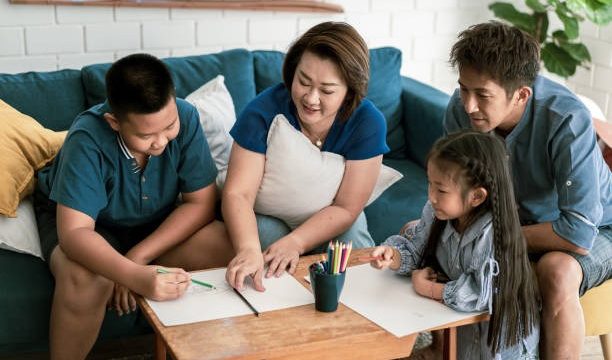
Traditional methods of assessment, often seen as rigid and sometimes intimidating, are giving way to more collaborative approaches that promote a sense of community and understanding among students, teachers, and parents.
This shift is not merely about changing the tools we use; it’s about nurturing an environment where learning thrives through shared experiences and collective insights.
A gentle shift toward collaboration
In many classrooms, the old narrative of assessment as a solitary endeavor is being rewritten. Instead of the teacher as the sole arbiter of knowledge, we are witnessing a harmonious collaboration among students, educators, and even parents. This collaborative spirit encourages students to take ownership of their learning journey. When students are involved in the assessment process, they become active participants rather than passive recipients of grades. This involvement fosters a deeper understanding of their strengths and areas for growth.
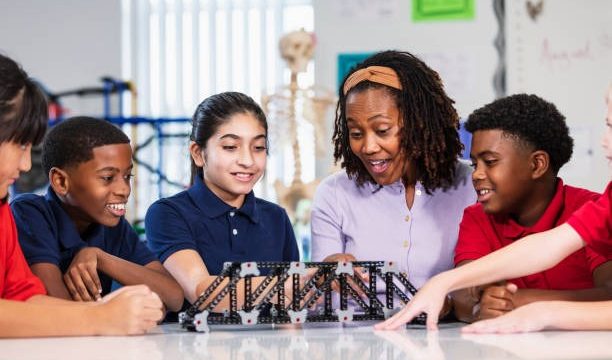
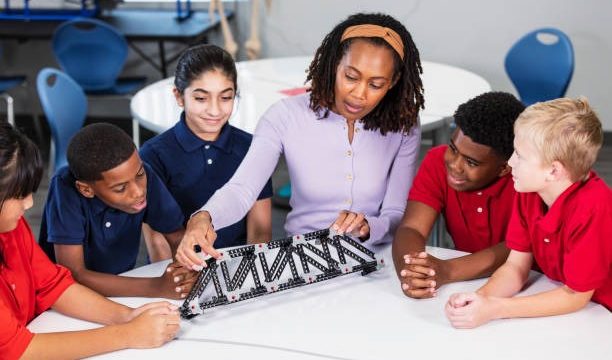
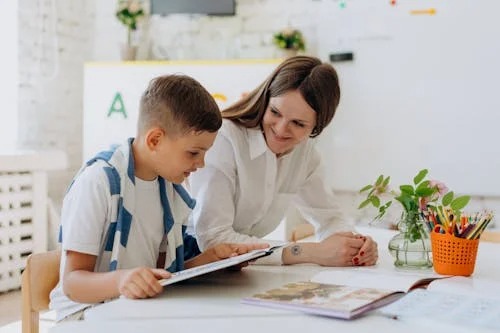
Imagine a classroom where students gather in small groups to discuss their projects, sharing feedback and ideas. In this setting, the act of assessment transforms from a moment of judgment into an opportunity for dialogue. Students learn from one another, gaining perspectives that enrich their understanding. Rather than feeling isolated in their efforts, they realize they are part of a community working toward common goals. This collaborative approach nurtures a sense of belonging, which is crucial for personal and academic growth.
Creating a supportive environment
For collaborative assessment to flourish, creating a supportive environment is essential. Educators play a pivotal role in fostering this atmosphere. By modeling vulnerability and openness, teachers can encourage students to express their thoughts and feelings about their learning experiences. When students feel safe to share their ideas and concerns, they are more likely to engage in meaningful discussions about their progress.
In this nurturing environment, feedback becomes a tool for growth rather than a source of anxiety. Students learn to view assessments as opportunities to reflect on their learning rather than as high-stakes judgments. When feedback is framed positively and collaboratively, it can spark motivation and inspire students to strive for improvement. This shift in perspective is crucial for cultivating a growth mindset, where challenges are seen as stepping stones rather than barriers.
Building relationships through assessment
Collaborative approaches to assessment also emphasize the importance of relationships. When students work together, they build connections that extend beyond the classroom. These relationships enhance learning by allowing students to engage with diverse perspectives and ideas. Collaborative assessment encourages teamwork, communication, and empathy—skills that are invaluable both in school and in life.
Teachers can facilitate this relational aspect of assessment by incorporating peer evaluations and group projects. In these settings, students learn to appreciate the strengths of their peers while also recognizing their own contributions. This mutual recognition fosters respect and camaraderie, creating a classroom culture that values collaboration over competition. As students support one another in their learning journeys, they cultivate friendships that can last a lifetime.
A focus on holistic development
Collaborative assessment also aligns beautifully with a holistic approach to education. Instead of narrowly focusing on academic performance, it considers the whole student—cognitively, emotionally, and socially. This broader perspective acknowledges that students are not just grades or test scores; they are individuals with unique experiences and talents.
In this context, assessment becomes a means of understanding each student’s journey rather than merely evaluating their output. Educators can incorporate self-assessments, reflections, and goal-setting into the process, allowing students to articulate their learning experiences. This reflective practice encourages students to think critically about their progress and set meaningful goals for themselves.
Embracing diversity in assessment
One of the most beautiful aspects of collaborative assessment is its ability to embrace diversity. Every student brings a unique background, perspective, and set of skills to the table. Collaborative approaches allow for a richer tapestry of ideas and insights, acknowledging that there is no one-size-fits-all solution to learning.
By engaging in group assessments, students learn to appreciate the value of diverse viewpoints. They become adept at navigating differences, developing not only academic skills but also social and emotional intelligence. This exposure to diversity prepares students for the interconnected world they will encounter beyond the classroom walls.
Looking ahead
As we look to the future of education, collaborative approaches to assessment hold great promise. They invite us to reimagine how we measure learning, shifting the focus from competition to cooperation. By fostering a sense of community, building relationships, and embracing diversity, we create an environment where every student can flourish.
This journey toward collaborative assessment is not without its challenges. Educators must be willing to adapt their practices and embrace new ways of thinking about assessment. However, the benefits far outweigh the hurdles. When students feel valued, supported, and empowered, they are more likely to engage deeply in their learning.
In conclusion, the move toward collaborative approaches to student assessment reflects a broader understanding of education as a shared journey. By nurturing a spirit of collaboration, we can create classrooms that are not only places of learning but also communities of support and growth. As we embark on this journey together, let us remember that assessment is not an end in itself but a beautiful part of the ongoing story of each student’s educational adventure.