In today’s educational landscape, the quest for effective student assessment practices has become increasingly vital.
The way we evaluate learners can significantly influence their academic journeys, shaping not just their grades but their overall experience in school.
With a gentle shift in our approach, we can create an environment that nurtures growth, understanding, and a love for learning.
The traditional methods of assessment often focus on standardized tests and exams, which can sometimes leave students feeling anxious and disconnected from their learning. However, there is a growing recognition that assessment should be a more holistic process, one that embraces the diverse strengths and challenges of each student. By adopting practices that prioritize understanding over memorization, we can foster better outcomes and a more enriching educational experience.
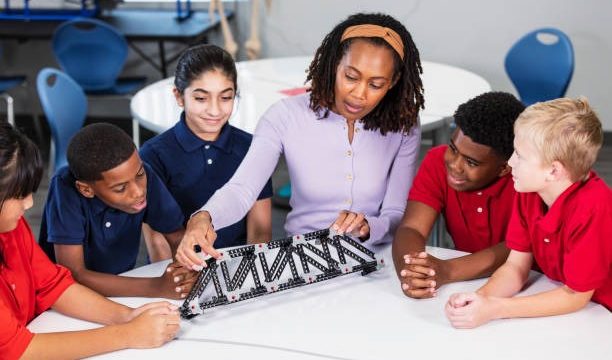
A small shift toward balance can make a world of difference. Rather than relying solely on high-stakes testing, educators are exploring alternative methods that provide a more comprehensive picture of a student’s abilities and progress. These methods may include project-based assessments, portfolios, and even self-assessments, all of which allow students to showcase their knowledge in ways that resonate with their individual learning styles. This shift not only alleviates stress but also encourages students to take ownership of their learning journey.
Creating a supportive assessment environment is essential. When students feel safe and valued, they are more likely to engage deeply with the material and express their understanding authentically. Teachers play a crucial role in this process, as their feedback can either uplift or hinder a student’s confidence. By providing constructive feedback that focuses on growth rather than merely pointing out mistakes, educators can help students see challenges as opportunities for improvement. This nurturing approach fosters resilience and encourages a mindset that values learning as a lifelong endeavor.
As we navigate the complexities of student assessment, it’s important to remember the power of collaboration. Engaging parents, teachers, and students in discussions about assessment practices can lead to more meaningful outcomes. When families are involved in the assessment process, students often feel more supported and understood. This partnership can create a sense of community, where everyone is invested in the student’s success. By working together, we can ensure that assessments reflect a shared understanding of what it means to learn and grow.
Another key aspect of effective assessment is the integration of technology. With the rise of digital tools, educators have access to a wealth of resources that can enhance the assessment experience. Interactive quizzes, online portfolios, and learning management systems provide opportunities for real-time feedback and data collection. These tools not only streamline the assessment process but also allow for personalized learning experiences. Students can engage with content at their own pace, reflecting their unique needs and interests.
Furthermore, the importance of formative assessments cannot be overstated. These informal checks for understanding serve as a guide for both educators and students. They help identify areas where students may be struggling and allow for timely interventions. By incorporating regular formative assessments into the learning process, educators can create a responsive classroom environment that adapts to the needs of each learner. This approach emphasizes growth and development, rather than simply measuring performance at a single point in time.
In addition to formative assessments, the role of self-assessment is becoming increasingly significant in education. Encouraging students to reflect on their own learning fosters metacognition, helping them to understand their strengths and areas for improvement. When students engage in self-assessment, they develop critical thinking skills and a deeper awareness of their learning process. This practice empowers them to set personal goals and take initiative in their education, which can lead to enhanced motivation and engagement.
As we look forward, it’s essential to recognize that assessment is not a one-size-fits-all process. Each student comes with their own background, experiences, and learning styles. By embracing diversity in assessment practices, we can accommodate the varied needs of our learners. This may involve differentiating assessments based on individual strengths or providing multiple ways for students to demonstrate their understanding. Such flexibility promotes inclusivity and ensures that every student has the opportunity to succeed.
Ultimately, the goal of student assessment should be to cultivate a love for learning and an appreciation for the journey of education. When assessments are framed as a tool for growth rather than a measure of worth, students are more likely to embrace challenges and pursue knowledge with enthusiasm. By fostering an environment that celebrates learning in all its forms, we can help students develop not only academically but also personally.
In conclusion, the landscape of student assessment is evolving, and with it comes the potential for better outcomes for all learners. By shifting our focus from traditional methods to more holistic, supportive practices, we can create an educational experience that nurtures curiosity and resilience. Through collaboration, technology, and a commitment to understanding each student’s unique journey, we can pave the way for a brighter future in education. As we embark on this journey together, let’s remember that assessment is not just about grades; it’s about fostering a lifelong love for learning.