In the world of education, the term “formative assessment” often floats around like a gentle breeze, subtly influencing teaching practices and student learning experiences.
While it may sound technical, understanding formative assessment can lead to a more nurturing and effective educational environment.
This approach is not merely about evaluating students, but rather about fostering growth and understanding through ongoing feedback and support.
At its core, formative assessment is an interactive process that allows educators to gauge students’ understanding and skills during the learning journey, rather than just at the end. It’s akin to taking a few moments to check in with oneself during a long hike, ensuring that the path taken is still the right one. By integrating formative assessments into daily classroom activities, teachers can create a space where learning is more about exploration and less about judgment.
A small shift toward balance
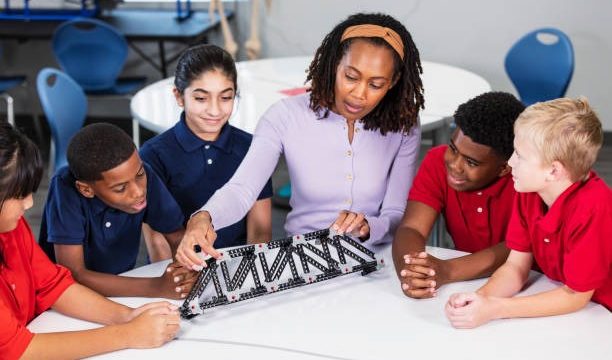
Imagine a classroom where students feel comfortable sharing their thoughts and questions without the fear of failing. Formative assessment nurtures this environment by encouraging open dialogue between teachers and students. Instead of viewing assessments as a final judgement, they transform into valuable conversations that highlight strengths and areas for improvement. This approach helps students to see mistakes not as failures but as stepping stones toward mastery.
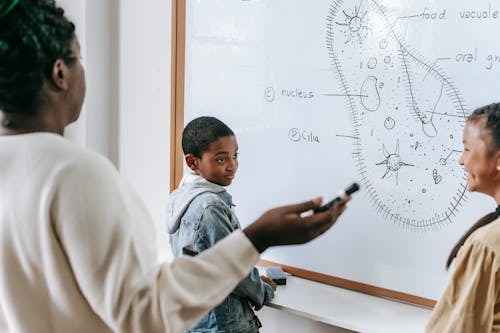
When teachers incorporate quick check-ins, such as a thumbs-up or a simple question posed during a lesson, they can better understand where their students stand. This ongoing feedback loop allows for timely interventions and personalized support. It’s a gentle reminder that education is not a race, but rather a journey, where every step taken holds significance.
Embracing the learning experience
Formative assessment is not solely the responsibility of the teacher. Students play an active role in this process, becoming more engaged in their own learning. By reflecting on their understanding and seeking feedback, they develop metacognitive skills that empower them to take charge of their educational path. This sense of ownership can be incredibly liberating, allowing students to explore topics with curiosity and enthusiasm.
Consider a scenario where a student struggles with a particular concept. Instead of waiting for a formal assessment to reveal this challenge, a teacher who practices formative assessment might notice the student’s hesitation during a discussion. With a warm approach, the teacher can provide additional resources or one-on-one support, ensuring that the student doesn’t feel lost. This proactive method fosters resilience and a growth mindset, encouraging students to embrace challenges as opportunities for learning.
Creating connections through feedback
Feedback is the heartbeat of formative assessment. It’s not just about telling students what they did wrong; it’s about guiding them toward improvement in a constructive manner. Thoughtful feedback can inspire students to dig deeper and explore new ideas. When delivered with care, it becomes a tool for motivation rather than discouragement.
Imagine a teacher providing feedback on a writing assignment. Instead of simply marking errors, they might highlight a student’s unique voice or creativity while gently suggesting areas for refinement. This balanced approach not only enhances the student’s work but also builds confidence. Students are more likely to embrace feedback when they see it as a pathway to growth rather than a critique of their abilities.
Building a supportive community
Formative assessment fosters a sense of community in the classroom. As students learn to share their insights and challenges, they develop empathy and understanding for one another’s experiences. This collaborative spirit enhances the learning environment, making it a safe space for exploration and risk-taking.
In this nurturing atmosphere, students learn to appreciate diverse perspectives. When they engage in peer assessments, for instance, they gain valuable insights from their classmates while also honing their critical thinking skills. These interactions not only enrich their understanding of the material but also cultivate important social skills that extend beyond the classroom.
The role of technology in formative assessment
As we navigate the ever-evolving landscape of education, technology plays a pivotal role in enhancing formative assessment practices. Digital tools offer innovative ways to gather feedback and track student progress. Online quizzes, interactive discussions, and digital portfolios can all serve as dynamic methods for both teachers and students to reflect on learning.
These tools can make the assessment process more engaging and accessible, allowing for real-time feedback that supports immediate learning adjustments. However, it’s essential to remember that technology should complement, not replace, the human connection that is so vital in education. The heart of formative assessment lies in the relationships built between educators and students, and technology should be used to enhance these connections, not overshadow them.
Fostering lifelong learners
Ultimately, the power of formative assessment extends far beyond the classroom walls. By cultivating a mindset of continuous improvement and self-reflection, students are better prepared for the challenges of the future. They learn to embrace feedback and view learning as an ongoing process, paving the way for lifelong learning.
As educators embrace formative assessment, they are not only shaping students’ academic journeys but also nurturing their personal growth. This holistic approach fosters resilience, adaptability, and a genuine love for learning—qualities that are invaluable in today’s ever-changing world.
In conclusion, understanding the power of formative assessment invites us to reimagine the educational experience. It encourages a shift from traditional evaluation methods to a more compassionate and supportive framework. By prioritizing growth, feedback, and connection, we can create an environment where students thrive, explore, and become the best versions of themselves. This transformation is not just beneficial for students; it enriches the entire educational community, creating a ripple effect that extends far beyond the classroom.