Enhancing Classroom Lessons Through Student Assessment
In the ever-evolving landscape of education, the importance of student assessment cannot be overstated.
It acts as a bridge between teaching and learning, providing valuable insights that can enhance classroom lessons in meaningful ways.
While assessments often evoke a sense of pressure for students, when approached thoughtfully, they can be a powerful tool for growth and understanding. Let’s explore how incorporating thoughtful assessments can uplift the learning experience for both students and educators alike.
Creating a nurturing environment for learning begins with understanding where each student stands in their educational journey. Assessment, in its many forms, offers a glimpse into individual progress and areas needing attention. When students feel that their learning is being acknowledged and valued, they are more likely to engage deeply with the material. This engagement can transform a typical classroom into a vibrant learning community.
When assessments are integrated seamlessly into the learning process, they serve as a guiding light for both teachers and students. Rather than viewing assessments merely as a means to assign grades, educators can use them to tailor lessons that resonate with their students’ unique needs and interests. This approach invites a more personalized learning experience, fostering a connection that can inspire deeper exploration of subjects.
A small shift toward balance can make a world of difference. Instead of relying solely on traditional testing methods, educators might consider incorporating formative assessments, which occur during the learning process. These assessments can take various forms, such as quizzes, discussions, or creative projects. The goal is to gauge understanding without the high stakes associated with final exams. This way, students can receive timely feedback, allowing them to adjust their learning strategies and take ownership of their progress.
Engaging students in self-assessment is another powerful strategy. Encouraging them to reflect on their own understanding and skills not only promotes self-awareness but also empowers them to take charge of their learning journey. When students assess their own work, it fosters a mindset of growth, enabling them to identify strengths and areas for improvement. This practice can cultivate resilience, as they learn that learning is not a linear path but a dynamic process filled with opportunities for development.
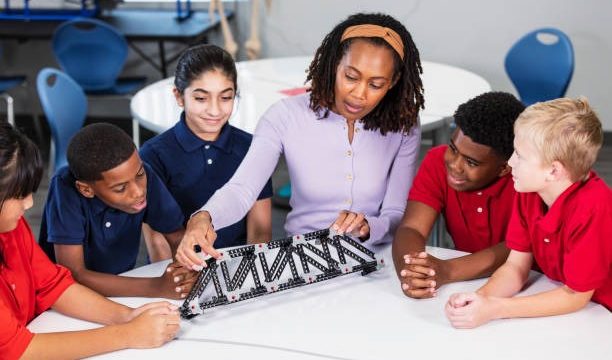
Collaboration can also enhance the assessment process. Group assessments encourage teamwork and communication, skills that are essential in today’s world. When students work together to solve problems or complete projects, they learn from one another, sharing diverse perspectives and approaches. This collaborative spirit can lead to a richer understanding of the material and create a supportive classroom atmosphere where students feel comfortable taking risks and expressing their ideas.
As educators design assessments, it’s important to keep the focus on the learning objectives. Clear, concise criteria help students understand what is expected of them and how they can meet those expectations. Rubrics can be a useful tool in this regard, offering transparency in the evaluation process. When students know how their work will be assessed, they can channel their efforts more effectively, leading to a more fulfilling learning experience.
Feedback plays a crucial role in the assessment process. Thoughtful, constructive feedback provides students with the guidance they need to improve and excel. It’s important for educators to frame their feedback in a way that encourages growth rather than discouragement. By highlighting what students did well while also pointing out areas for improvement, teachers can foster a positive learning environment where students feel supported in their efforts.
The integration of technology into assessments can also provide exciting opportunities for enhancement. Online quizzes, interactive assignments, and digital portfolios are just a few ways that technology can make assessments more engaging and accessible. These tools can offer immediate feedback, allowing students to reflect on their performance in real-time. Moreover, technology can facilitate differentiated assessments, catering to various learning styles and needs, ensuring that every student has the chance to shine.
Incorporating student assessment into the classroom is not merely about measuring knowledge; it’s about cultivating a culture of continuous improvement and curiosity. By viewing assessments as opportunities for growth rather than obstacles, both teachers and students can embark on a collaborative journey toward deeper understanding. This perspective shift can transform the classroom into a space where learning is celebrated, and every step of the journey is valued.
As we consider the future of education, it’s essential to embrace the idea that assessment is not an endpoint but a part of an ongoing dialogue between educators and students. This dialogue can foster a sense of community, where students feel safe to express their thoughts, ask questions, and explore ideas without fear of judgment. By nurturing this environment, we can inspire a love for learning that extends far beyond the classroom walls.
Ultimately, enhancing classroom lessons through student assessment is about building connections—between students and teachers, among peers, and with the learning material itself. When assessments are approached with care and intention, they can illuminate the path to learning, guiding students toward their fullest potential. In this way, we can create a vibrant educational ecosystem that thrives on curiosity, resilience, and a shared commitment to growth.
As educators and learners alike embrace this journey, we can look forward to a future where assessments are a source of empowerment, nurturing a lifelong love for learning in every student.