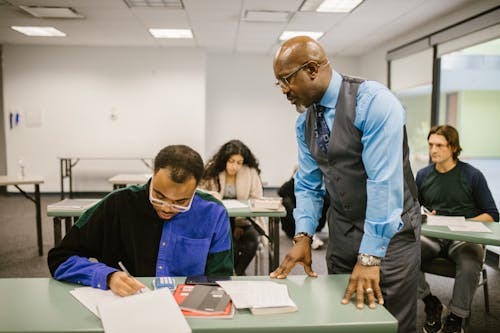
In the journey of education, student assessment often feels like a double-edged sword.
On one side, it serves as a crucial tool for measuring progress, while on the other, it can sometimes lead to anxiety and self-doubt.
As educators and parents, our goal is to create an environment where assessments foster academic confidence rather than fear. By shifting our approach, we can empower students to view assessments as opportunities for growth rather than mere evaluations of their worth.
Creating a positive assessment culture begins with understanding the purpose behind evaluations. They are not merely about grades or rankings; they are stepping stones that guide students on their learning journey. When we frame assessments as a way to reflect on what students have learned, we shift the focus from performance to personal development. This subtle change can have a profound impact on how students perceive their abilities.
A gentle approach to assessment encourages curiosity and a love for learning. Instead of viewing tests and quizzes as hurdles to overcome, students can begin to see them as chances to showcase their knowledge. By integrating formative assessments—those that occur during the learning process—we provide students with valuable feedback that highlights their strengths and areas for improvement. This ongoing dialogue fosters an environment where students feel safe to express their thoughts and questions, ultimately building their confidence.
Encouraging self-reflection is another powerful tool in nurturing academic confidence. After assessments, guiding students to think about what they learned, what strategies worked, and what they might do differently next time can transform their experience. Self-reflection nurtures a growth mindset, where students understand that intelligence and skills can be developed over time. Encouraging them to set personal goals based on their reflections can lead to a sense of ownership over their education, further enhancing their confidence.
Creating a supportive atmosphere is essential in this process. When students feel secure in their learning environment, they are more likely to take risks and engage fully. Teachers and parents can play a pivotal role in this by celebrating effort and perseverance rather than just results. Acknowledging the hard work that goes into preparing for an assessment—even if the outcome isn’t perfect—teaches students that their dedication matters. This shift from a results-driven mindset to one that values effort and resilience can significantly bolster their self-esteem.
Incorporating a variety of assessment methods can also contribute to building confidence. Traditional tests have their place, but they don’t capture the full spectrum of a student’s abilities. By including projects, presentations, and collaborative assignments, students can showcase their strengths in different ways. This diversity not only makes assessments more engaging but also allows students to shine in areas where they may feel more comfortable. When students see their unique talents recognized, it reinforces their belief in their capabilities.
Feedback is another critical component in the assessment process. Constructive feedback, delivered in a kind and supportive manner, can be a game-changer. Instead of simply marking what was wrong, providing specific insights into what a student did well and how they can improve fosters a growth mindset. This approach encourages students to view feedback as a valuable tool for learning rather than a judgment of their abilities. When they understand that feedback is meant to guide their development, it can alleviate some of the pressure associated with assessments.
Involving students in the assessment process can also enhance their confidence. Allowing them to participate in creating rubrics or setting criteria for their work gives them a sense of agency. When students have a say in how they will be evaluated, they are more likely to feel invested in the outcome. This collaborative effort not only empowers them but also cultivates a sense of responsibility for their own learning.
A small shift toward balance in the frequency and type of assessments can also make a significant difference. Instead of relying solely on high-stakes testing, integrating regular, low-pressure assessments can help students become accustomed to the evaluation process. This gradual exposure can demystify assessments, making them feel less daunting. In turn, students can build their confidence over time, preparing them for more significant challenges ahead.
It is also essential to recognize the role of emotional well-being in academic performance. Stress and anxiety can cloud a student’s ability to demonstrate what they know. Therefore, creating a balanced approach to assessment that considers students’ emotional health is vital. Simple practices such as mindfulness exercises, encouraging breaks, and promoting a healthy study-life balance can help students maintain their well-being. When students feel mentally and emotionally equipped to handle assessments, their confidence naturally flourishes.
As we continue to explore ways to enhance student assessment, it’s important to remember that the ultimate goal is to foster a love for learning. When students feel confident in their abilities and understand that assessments are a part of their growth journey, they are more likely to embrace challenges with enthusiasm. By nurturing an environment where assessments are seen as tools for personal development, we can help students build a resilient sense of self-worth that extends beyond the classroom.
Ultimately, the journey of education is not just about acquiring knowledge but also about developing the skills and confidence to navigate life’s challenges. By adopting an assessment philosophy that prioritizes growth, reflection, and support, we can help students not only succeed academically but also flourish as individuals. Through this approach, we can create a generation of learners who are not afraid to take risks, embrace challenges, and believe in their potential. As we work together to foster academic confidence, we pave the way for a brighter future for all students.