In the ever-evolving landscape of education, the importance of collaboration among students has become increasingly evident.
Creating a collaborative learning environment not only enriches the educational experience but also encourages personal growth and development.
One of the most effective ways to foster this sense of community is through thoughtful student assessment.
By shifting our focus from traditional evaluation methods to more collaborative approaches, we can cultivate a nurturing atmosphere where students thrive together.
A gentle approach to assessment invites reflection and connection. Instead of viewing assessments as mere tools for grading, we can reimagine them as opportunities for dialogue and interaction. This shift allows students to engage with one another, share insights, and learn from their collective experiences. When assessments become a shared journey rather than an individual destination, students are more likely to feel motivated and supported.
Incorporating peer assessment into the learning process can be a game-changer. When students assess each other’s work, they not only develop critical thinking skills but also gain a deeper understanding of the subject matter. This practice encourages them to articulate their thoughts and provide constructive feedback, fostering a sense of ownership over their learning. It also promotes empathy, as students learn to appreciate diverse perspectives and recognize the value of collaboration.
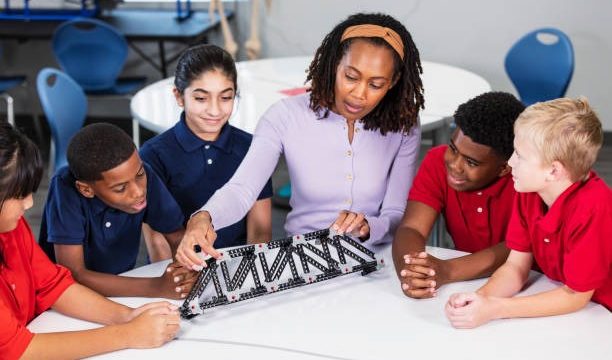
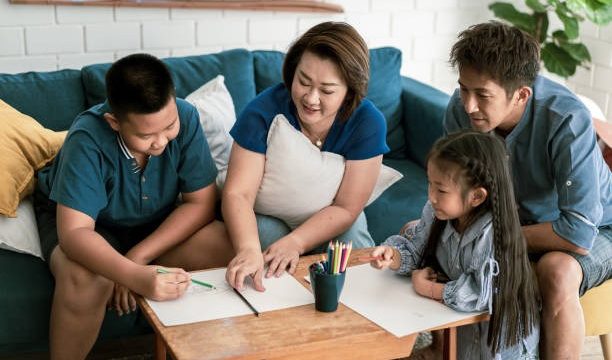
Creating opportunities for group projects can further enhance this collaborative spirit. When students work together toward a common goal, they learn to communicate effectively, delegate tasks, and celebrate each other’s strengths. These experiences can be incredibly enriching, as they teach valuable life skills that extend beyond the classroom. Moreover, group assessments can alleviate the pressure of individual performance, allowing students to support one another and share the weight of responsibility.
A small shift toward balance can also be achieved by incorporating self-assessment into the learning process. Encouraging students to reflect on their own work and set personal goals fosters a sense of accountability. When students take the time to evaluate their own progress, they become active participants in their education. This practice not only nurtures independence but also creates a culture of trust and openness within the classroom.
Embracing formative assessments can further enhance collaborative learning. Unlike traditional assessments, which often focus on a single outcome, formative assessments provide ongoing feedback that guides students’ progress. These assessments can take various forms, from informal check-ins to reflective journals, allowing students to express their thoughts and feelings about their learning journey. By engaging in this continuous dialogue, students can adapt their strategies and support one another in real-time.
Creating a collaborative learning environment also involves fostering a sense of belonging. When students feel connected to their peers and teachers, they are more likely to engage fully in the learning process. Simple gestures, such as creating a welcoming classroom atmosphere or incorporating team-building activities, can go a long way in building these connections. When students feel valued and supported, they are more inclined to collaborate and share their knowledge.
It’s essential to recognize that every student brings a unique perspective to the table. Encouraging diversity in group work not only enriches the learning experience but also promotes inclusivity. When students collaborate with peers from different backgrounds, they broaden their understanding and develop a greater appreciation for the world around them. This sense of unity can be incredibly powerful, as it nurtures a community where everyone feels heard and respected.
As educators, we must also model collaborative behavior. By demonstrating teamwork and open communication, we set the tone for our students. Sharing our own experiences and challenges can create a sense of relatability and inspire students to engage in collaborative practices. When students see their teachers valuing collaboration, they are more likely to follow suit and embrace these principles in their own learning.
In this journey toward creating collaborative learning through student assessment, it’s crucial to remain flexible and open-minded. What works for one group of students may not resonate with another, and that’s perfectly okay. By adapting our approaches to meet the unique needs of our students, we can create a dynamic learning environment where collaboration flourishes.
Ultimately, the goal is to nurture a love for learning that extends beyond the classroom walls. When students feel empowered to collaborate and support one another, they develop a lifelong appreciation for knowledge and growth. By reimagining student assessment as a tool for connection rather than competition, we can create a more harmonious and enriching educational experience.
In a world that often emphasizes individual achievement, it’s heartening to remember the power of collaboration. By embracing a collaborative approach to student assessment, we can cultivate a generation of learners who not only excel academically but also thrive emotionally and socially. The journey may require patience and persistence, but the rewards are immeasurable. As we foster collaboration through assessment, we are not just shaping successful students; we are nurturing compassionate, resilient individuals ready to make their mark on the world.