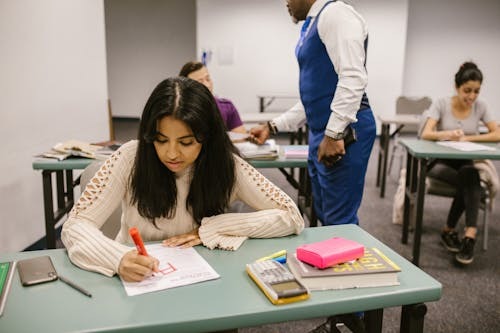
In today’s rapidly evolving educational landscape, the way we think about student assessment is more important than ever.
Traditional methods of evaluation often focus on rote memorization and standardized testing, leaving little room for creativity or critical thinking.
However, by shifting our approach to assessments, we can nurture strong thinkers who are equipped to tackle the challenges of tomorrow.
This means fostering an environment where students are not just evaluated on what they know but also on how they think and approach problems.
A gentle shift in perspective can make all the difference. When we view assessments not just as a means to measure knowledge but as an opportunity for growth, we open up a world of possibilities. This approach encourages students to engage deeply with the material, explore new ideas, and develop their own unique perspectives. By incorporating formative assessments—those that take place during the learning process—teachers can provide ongoing feedback that helps students refine their thinking. This type of assessment can be as simple as class discussions, peer reviews, or reflective journaling, all of which invite students to articulate their thoughts and reflect on their learning journey.
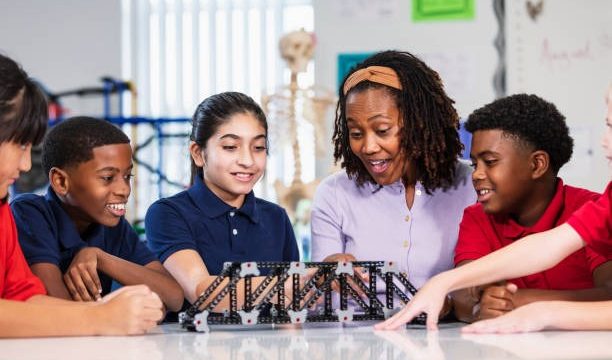
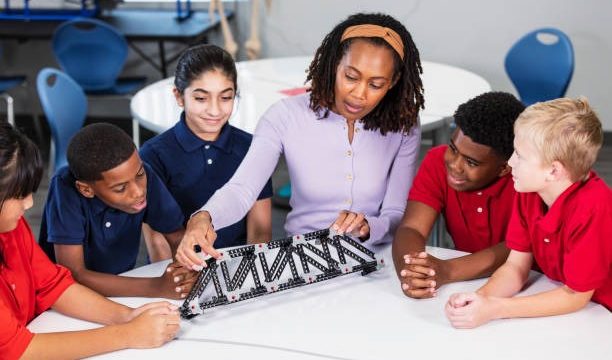
Creating a safe space for inquiry is essential in developing strong thinkers. Students need to feel comfortable expressing their ideas, asking questions, and making mistakes. When they know that their thoughts are valued and that their contributions matter, they are more likely to take intellectual risks. This environment can be cultivated through collaborative projects, where students work together to solve problems or explore complex topics. Group work not only fosters critical thinking but also enhances communication skills and empathy, as students learn to appreciate diverse viewpoints and navigate differing opinions.
Another important aspect of student assessment is the emphasis on self-assessment. Encouraging students to evaluate their own work helps them develop metacognitive skills, allowing them to become more aware of their thought processes and learning strategies. This practice can be incorporated into the classroom through reflective exercises, where students analyze their strengths and areas for improvement. By guiding students to set personal goals and assess their progress, we empower them to take ownership of their learning journey. This sense of agency is crucial in cultivating a mindset of growth and resilience.
In addition to fostering critical thinking, assessments can also play a role in enhancing creativity. When students are given opportunities to express their understanding through various mediums—be it art, writing, or presentations—they can showcase their unique talents and perspectives. This not only makes learning more engaging but also allows students to approach problems from different angles. By valuing creativity alongside analytical thinking, educators can help students become well-rounded individuals who can innovate and adapt in an ever-changing world.
The integration of technology into assessments has opened up new avenues for student engagement. Digital tools can facilitate interactive assessments that go beyond traditional tests. For instance, online platforms can host simulations, games, or collaborative projects that allow students to demonstrate their understanding in dynamic ways. These tools can also provide immediate feedback, enabling students to learn from their mistakes in real time. However, while technology can enhance assessments, it is essential to maintain a balance. The human touch—teacher feedback, peer interaction, and personal reflection—remains vital in the assessment process.
As we think about developing strong thinkers, it’s also important to consider the role of parents and the wider community. Collaboration between home and school can create a supportive network that encourages students to think critically and creatively. Parents can engage with their children’s learning by asking open-ended questions, fostering discussions about current events, or encouraging them to pursue their interests outside of school. When parents model curiosity and a love for learning, they inspire their children to adopt a similar mindset.
Moreover, schools can benefit from partnerships with local organizations, businesses, and community members. These connections can provide students with real-world experiences that challenge them to apply their thinking skills in practical contexts. For instance, mentorship programs or internships can offer students opportunities to work on projects that require problem-solving and critical analysis. This not only enriches their learning but also helps them understand the relevance of their education in the broader world.
As we navigate the complexities of student assessment, it’s important to remember that our ultimate goal is to cultivate a generation of thinkers who are equipped to thrive in a diverse and dynamic society. By embracing a holistic approach to assessment—one that values creativity, collaboration, and self-reflection—we can create a learning environment that nurtures the minds of our students.
In this journey, patience and compassion are key. Change takes time, and fostering strong thinkers is a gradual process. By encouraging students to explore their thoughts, engage with their peers, and reflect on their learning, we are laying the foundation for a brighter future. Each assessment becomes not just a measure of learning, but a stepping stone toward developing confident, capable individuals who are ready to contribute to the world around them.
In conclusion, transforming student assessment from a mere evaluation tool into a powerful mechanism for growth is an essential endeavor. By focusing on critical thinking, creativity, and collaboration, we can help students become strong thinkers who are prepared to navigate the complexities of life. As educators, parents, and community members, let us come together to support our students in this exciting journey of discovery and growth. Together, we can foster a generation of thinkers who are not only knowledgeable but also equipped to make a positive impact in the world.