In a world filled with diverse learning styles and individual needs, the concept of differentiated instruction stands out as a beacon of hope for educators and students alike.
This approach recognizes that each learner is unique and thrives under different conditions.
When implemented thoughtfully, differentiated instruction can foster meaningful progress, creating an enriching environment where all students feel valued and empowered.
Understanding the essence of differentiated instruction begins with a simple recognition: not all students learn in the same way. Some may grasp concepts quickly through visual aids, while others might need hands-on experiences to fully internalize new information. By embracing this diversity, educators can tailor their teaching methods to meet the varied needs of their students, thus promoting an atmosphere of inclusivity and engagement.
Creating a supportive learning environment involves more than just adjusting teaching methods. It’s about building relationships with students and understanding their individual strengths and challenges. When students feel seen and understood, they are more likely to take risks in their learning. This sense of safety encourages them to ask questions, seek help, and explore new ideas, ultimately leading to deeper understanding and retention.
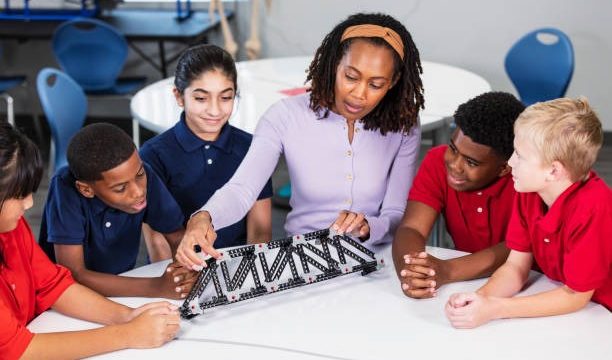
A gentle shift toward balance can also be achieved by incorporating flexible grouping strategies in the classroom. By allowing students to work in different configurations—sometimes individually, sometimes in pairs, and other times in small groups—teachers can cater to various learning preferences. This flexibility not only helps students learn from one another but also fosters a sense of community. When students collaborate, they share their unique perspectives, enhancing the learning experience for everyone involved.
Moreover, incorporating choice into the learning process can significantly enhance student motivation. When learners are given options in how they demonstrate their understanding—be it through a presentation, a written report, or a creative project—they are more likely to take ownership of their learning. This autonomy empowers students to engage with the material in a way that resonates with them personally, leading to a more meaningful educational experience.
Assessment plays a crucial role in differentiated instruction. Rather than relying solely on traditional testing methods, educators can embrace varied assessment techniques that align with their students’ individual strengths. This could include portfolios, self-assessments, or performance-based tasks. By diversifying assessment methods, teachers not only gain a fuller picture of student progress but also provide students with multiple avenues to showcase their understanding.
Creating meaningful progress also involves continuous feedback. Constructive feedback helps students understand where they stand in their learning journey and what steps they can take to improve. When feedback is specific, timely, and supportive, it fosters a growth mindset, encouraging students to view challenges as opportunities for development rather than insurmountable obstacles. This shift in perspective can be life-changing, as it cultivates resilience and a love for learning.
Incorporating technology into differentiated instruction can further enhance the learning experience. Educational tools and resources can provide personalized learning opportunities that cater to individual student needs. For instance, adaptive learning platforms can adjust content difficulty based on a student’s performance, ensuring that they are consistently challenged yet not overwhelmed. These technological advancements allow educators to reach every learner effectively, making education more accessible and engaging.
Another key aspect of differentiated instruction is cultural responsiveness. Understanding the cultural backgrounds of students can significantly inform teaching practices. When educators acknowledge and celebrate the diverse experiences of their learners, they create a richer classroom atmosphere. This cultural awareness not only builds trust but also encourages students to share their perspectives, enriching discussions and promoting a deeper understanding of the material.
As educators embark on the journey of implementing differentiated instruction, it’s essential to remain patient and flexible. Change takes time, and what works for one group of students may not work for another. By fostering a mindset of experimentation and reflection, teachers can continuously refine their approach, ensuring that they meet the evolving needs of their students.
In this ever-evolving educational landscape, the commitment to differentiated instruction is more important than ever. It is a reminder that education is not a one-size-fits-all endeavor. By embracing the unique qualities of each learner, educators can create a nurturing environment where every student has the opportunity to thrive.
Ultimately, the goal of differentiated instruction is not just to improve academic performance, but to foster a love for learning that extends beyond the classroom. When students experience success tailored to their individual needs, they develop confidence in their abilities. This confidence can lead to a lifelong passion for exploration, creativity, and growth.
In a world that often emphasizes uniformity, differentiated instruction offers a refreshing perspective. It champions the idea that every learner is deserving of a personalized educational experience. By recognizing and celebrating the unique attributes of each student, educators can cultivate a vibrant and inclusive learning community where meaningful progress is not just an aspiration, but a reality.
As we continue to navigate the complexities of education, let us keep in mind the profound impact that thoughtful, differentiated instruction can have on students’ lives. With a gentle touch and a commitment to understanding, we can help shape a brighter future for all learners, one where progress is measured not just by grades, but by the joy of learning itself.