In the ever-evolving landscape of education, the importance of teaching materials cannot be understated.
The right resources have the power to transform learning from a chore into an enjoyable adventure.
As educators, parents, and lifelong learners, we can harness the potential of thoughtfully designed materials to create enriching experiences that spark curiosity and foster a love for knowledge.
A gentle shift toward creativity
When we think of teaching materials, traditional textbooks may come to mind, but the world of educational resources has expanded dramatically. Today, creativity reigns supreme, and innovative tools are available to engage students of all ages. For instance, interactive games that incorporate learning objectives can turn mundane subjects into thrilling quests. Imagine a student exploring the wonders of history through a captivating board game or diving into the complexities of math via a fun-filled online platform. By weaving educational content into play, these materials invite learners to explore concepts in a relaxed and enjoyable manner.
The sensory aspect of learning
Incorporating sensory elements into teaching materials can further enhance the learning experience. Textures, colors, and sounds can all play a crucial role in how information is absorbed. For younger learners, tactile materials like building blocks or art supplies can stimulate creativity and encourage exploration. For older students, virtual reality experiences can transport them to historical sites or distant planets, making the learning experience immersive and unforgettable. The more senses we engage, the more likely we are to retain information, making learning not just effective but enjoyable.
A nurturing approach to collaboration
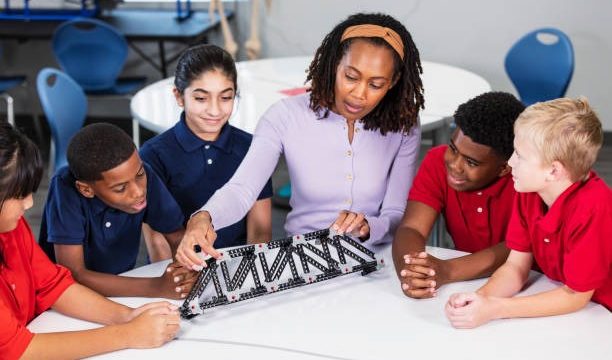
Collaboration is another key ingredient in the recipe for enjoyable learning. Group activities that encourage teamwork can foster a sense of community and make the learning process more dynamic. Teaching materials that promote collaboration—like project-based learning kits or group challenges—can help students learn from one another while developing essential social skills. When students work together, they share ideas, solve problems, and create memories that enrich their educational journey.
The magic of storytelling
One of the most timeless methods of teaching is storytelling. Whether through picture books, novels, or digital narratives, stories have a unique ability to captivate and inspire. Teaching materials that incorporate storytelling can draw students into the subject matter, helping them relate to complex ideas on a personal level. For example, a science lesson can come alive through a story about an adventurous scientist exploring the depths of the ocean, making abstract concepts tangible and relatable. By framing lessons within a narrative, we can spark imagination and make learning feel like a grand adventure.
The role of technology in modern education
In our digital age, technology has become an integral part of the learning experience. Educational apps, online courses, and interactive platforms provide opportunities for personalized learning that can adapt to individual needs. These tools empower students to take charge of their education, allowing them to explore topics at their own pace. Additionally, technology can facilitate access to a wealth of resources, from virtual field trips to expert lectures. By embracing technology, we can create a rich tapestry of teaching materials that cater to diverse learning styles.
Cultivating a positive atmosphere
The environment in which learning takes place is just as important as the materials used. A warm, inviting space can enhance the learning experience and encourage students to engage more fully. Incorporating elements that reflect the interests and backgrounds of learners can create a sense of belonging. Teaching materials that celebrate diversity and inclusion can help students connect with the content on a deeper level. When students feel seen and valued, they are more likely to embrace the learning process.
A focus on emotional well-being
Emotional well-being plays a crucial role in learning. Materials that incorporate mindfulness practices or social-emotional learning can help students develop resilience and a positive mindset. For example, journals that encourage reflection or activities that promote gratitude can create a balanced approach to education. By addressing the emotional aspects of learning, we can foster a nurturing environment where students feel safe to express themselves and take risks in their learning.
The joy of hands-on experiences
Experiential learning is another powerful approach that makes education enjoyable. Teaching materials that encourage hands-on experiences, such as science kits, art supplies, or outdoor exploration tools, can lead to deeper understanding and retention of knowledge. When students can touch, feel, and manipulate materials, they engage with the content in a way that is both fun and impactful. The thrill of discovery can ignite a passion for learning that lasts a lifetime.
Encouraging a lifelong love of learning
Ultimately, the goal of education is to instill a lifelong love of learning. Teaching materials that are dynamic, engaging, and relevant can help achieve this aim. Whether through innovative technology, creative storytelling, or hands-on experiences, the right resources can transform education into an enjoyable journey. By prioritizing the joy of learning, we can inspire future generations to seek knowledge and explore the world around them.
As we reflect on the myriad ways teaching materials can enhance the learning experience, it becomes clear that the possibilities are endless. By embracing creativity, collaboration, and emotional well-being, we can create a nurturing environment where learning is not just a task, but a delightful adventure. In this ever-changing world, let us remember that the joy of learning is a gift we can share with others, lighting the path for those who come after us.