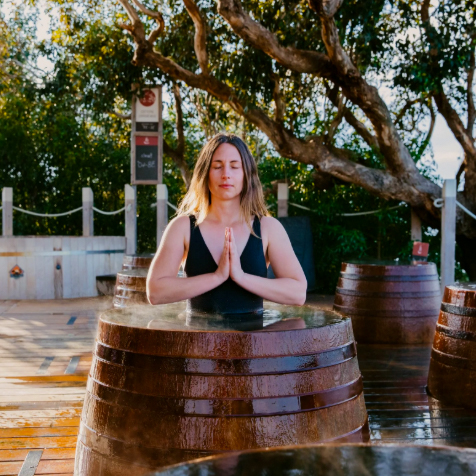
Stretching is often seen as a key component of any physical activity routine, but its benefits go beyond just improving flexibility and preventing injury.
When approached with mindfulness and intention, stretching can be a powerful tool for fostering a sense of calm and relaxation, making it accessible and beneficial for everyone, regardless of age or fitness level.
Whether you are a seasoned athlete or someone looking to improve your overall well-being, incorporating stretching into your daily routine can be an effective way to reduce stress, increase body awareness, and promote a peaceful state of mind.
The beauty of stretching lies in its simplicity and versatility. You don’t need to be in a gym or require any special equipment to reap its rewards. Stretching can be done anytime, anywhere, and with just a few mindful movements, you can begin to unlock a sense of relaxation and balance in your day. When approached with a calm and focused mindset, stretching becomes more than just a physical exercise; it transforms into a gentle practice that nurtures both your body and mind.
One of the most important aspects of stretching is understanding that it is not about pushing yourself to the limit or trying to achieve a particular goal. The true purpose of stretching is to increase mobility, relieve tension, and bring awareness to how your body feels in the present moment. Taking a calm approach to stretching means listening to your body’s signals and not forcing any movement that doesn’t feel right. By practicing this gentle approach, you not only avoid potential injury but also create space for relaxation and mindfulness.
A good starting point for anyone new to stretching, or those looking to cultivate a more relaxed approach, is to focus on stretches that target the areas where tension tends to build up the most. These areas often include the neck, shoulders, back, and hips. All of these parts of the body can easily become tight from prolonged sitting, poor posture, or emotional stress, making them prime candidates for a calm and effective stretching routine.
For instance, starting with a simple neck stretch can help alleviate the stiffness that many people feel after a long day at work or sitting at a desk. To begin, sit comfortably in a chair or on the floor with your back straight and your shoulders relaxed. Gently tilt your head to one side, bringing your ear toward your shoulder. Hold this position for 15 to 30 seconds, breathing deeply and focusing on the release of tension in your neck muscles. You can switch to the other side to stretch the opposite side of your neck. This simple movement can significantly ease neck tightness, promoting a sense of calm and reducing the mental fog that often accompanies stress.
Similarly, shoulder stretches are an excellent way to release tension that accumulates in the upper body. For a calm and restorative shoulder stretch, sit or stand tall with your arms by your sides. Take a deep breath, and as you exhale, gently roll your shoulders forward in a circular motion. After several rolls, reverse the direction, allowing your shoulders to relax and move freely. This easy motion helps open up the chest, release tension, and promote relaxation. Another variation of the shoulder stretch is to reach one arm overhead and gently bend it at the elbow, bringing your hand down toward the middle of your back. With your opposite hand, gently press the elbow toward your head. This stretch helps open the shoulders and chest, making it ideal for anyone who spends time hunched over a desk or in front of a screen.
Incorporating back stretches into your routine can also be highly beneficial for promoting relaxation and reducing stress. Tightness in the back is a common complaint, especially among those who spend long hours sitting or standing in one position. A simple and effective back stretch is the seated forward bend. To perform this stretch, sit with your legs extended straight in front of you and your feet flexed. Slowly begin to fold forward from your hips, reaching your hands toward your feet or the floor. Allow your neck and head to relax as you deepen into the stretch. As you breathe deeply, you may notice your back slowly releasing tightness and your body becoming more relaxed. Hold this position for 15 to 30 seconds, and then gently return to the starting position.
Hips are another area of the body that can easily become tight from prolonged sitting. A gentle hip stretch can do wonders for releasing tension and promoting a sense of calm. One of the most effective stretches for the hips is the seated figure-four stretch. Start by sitting in a chair with your feet flat on the floor. Cross your right ankle over your left knee, creating a figure-four shape with your legs. Gently press down on the right knee to open the hip. You should feel a stretch in the outer hip and thigh. Hold the stretch for 15 to 30 seconds while breathing deeply and allowing your body to relax. Afterward, switch sides. This stretch is particularly helpful for anyone who experiences tightness in the hips from sitting for long periods or dealing with stress.
Another simple yet highly effective stretch to help calm the mind is the child’s pose, a common yoga posture that promotes relaxation and grounding. To do this stretch, begin by kneeling on the floor with your big toes touching and knees spread wide apart. Slowly lower your chest toward the floor, extending your arms forward and resting your forehead on the ground. Allow your body to relax into the stretch, feeling the release of tension in your back, hips, and shoulders. Hold this position for 30 seconds to a minute, focusing on your breath and allowing your body to soften into the floor. Child’s pose is a wonderful way to create a sense of calm and ease, especially after a long day.
One of the key elements of a calm approach to stretching is the breath. Breathing deeply and mindfully as you stretch allows your body to release tension and your mind to become more present in the moment. As you move through each stretch, try to synchronize your breath with your movements. For example, inhale as you lengthen your body or prepare for a stretch, and exhale as you deepen into the stretch. This mindful approach to breathing encourages relaxation, helping you to stay focused and grounded throughout your stretching routine.
It’s also important to remember that stretching is a practice, not a performance. It’s not about how deep you can stretch or how much flexibility you have. The goal is to foster a sense of well-being and relaxation. By focusing on the present moment and listening to your body, you can gradually build a routine that promotes physical flexibility and mental calm.
Stretching for a calm mind is a practice that anyone can incorporate into their day. It doesn’t matter if you’re a beginner or an experienced practitioner, stretching can be adapted to suit your individual needs and preferences. Whether you take a few minutes each morning to stretch or incorporate it into your daily routine, the benefits will be worth the effort. Through mindful stretching, you can release physical tension, reduce stress, and cultivate a greater sense of balance and relaxation, bringing more peace and calm into your life.